TL;DR
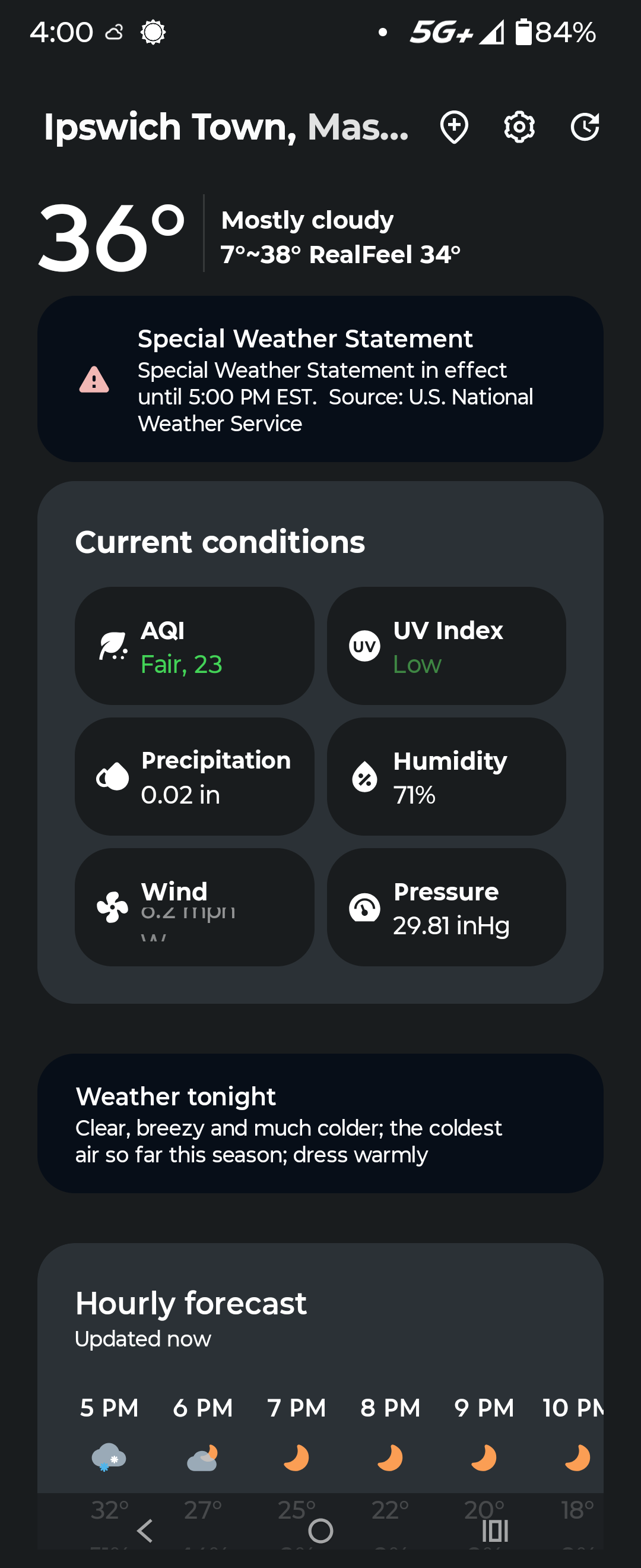
We boarded up the chicken coops and insulated the bee hives. Then I harvested lettuce, mustard greens and daikon radishes. It’s going to get down to less than 10 degrees tonight, so today is probably the last real harvest of the season.
Boarding Up the Chicken Coops
The mobile chicken coops have cut-outs at the tops of both sides with wire mesh as window panes. This works great in late spring and all throughout the summer to maintain ventilation and temperature, but after the weather starts getting down to the low 30s, it’s time to board them up so that the deep cold of the night stays out.
We collected materials and tools, then Jamie did the ladder work while I assisted from below, which all told took only about two hours. How the chickens don’t have to be worried about the deep freeze forecasted for tonight, but chickens aren’t the only creatures we need to protect from the cold.
Insulating the Bee Hives
With the full moon high tide across the marsh, we headed over to the bee hives on the other side of the property with the plastic cozy wraps to put around the bee hives. There were only a few hives without activity, but of those with bees visible from the top hole, only a few had bees not-so-lethargic enough to fly out and investigate what the hell was going on to their home in such cold weather.
The design of these cosy wraps were simple enough…black plastic pouches filled with what felt like fiberglass insulation, like waterproof pillows…but kind of hard to get around the bee hives quickly enough without two pairs of hands. On our way back, I speculated that a better design would be something with a vertical zipper or straps so that we didn’t have to remove the top lid at all. As this always goes, of course this is the dominant design online, only slightly more expensive than the ones we have.
Maybe we could augment ours with, say, bungee cords instead of straps and split them carefully in one place so that it’s a wrap-around like a blanket instead of a sock over the top design. That would be more efficient and easier to apply, and would allow us to keep the lids on the hives.
The Very Last Harvest of the Season…Maybe
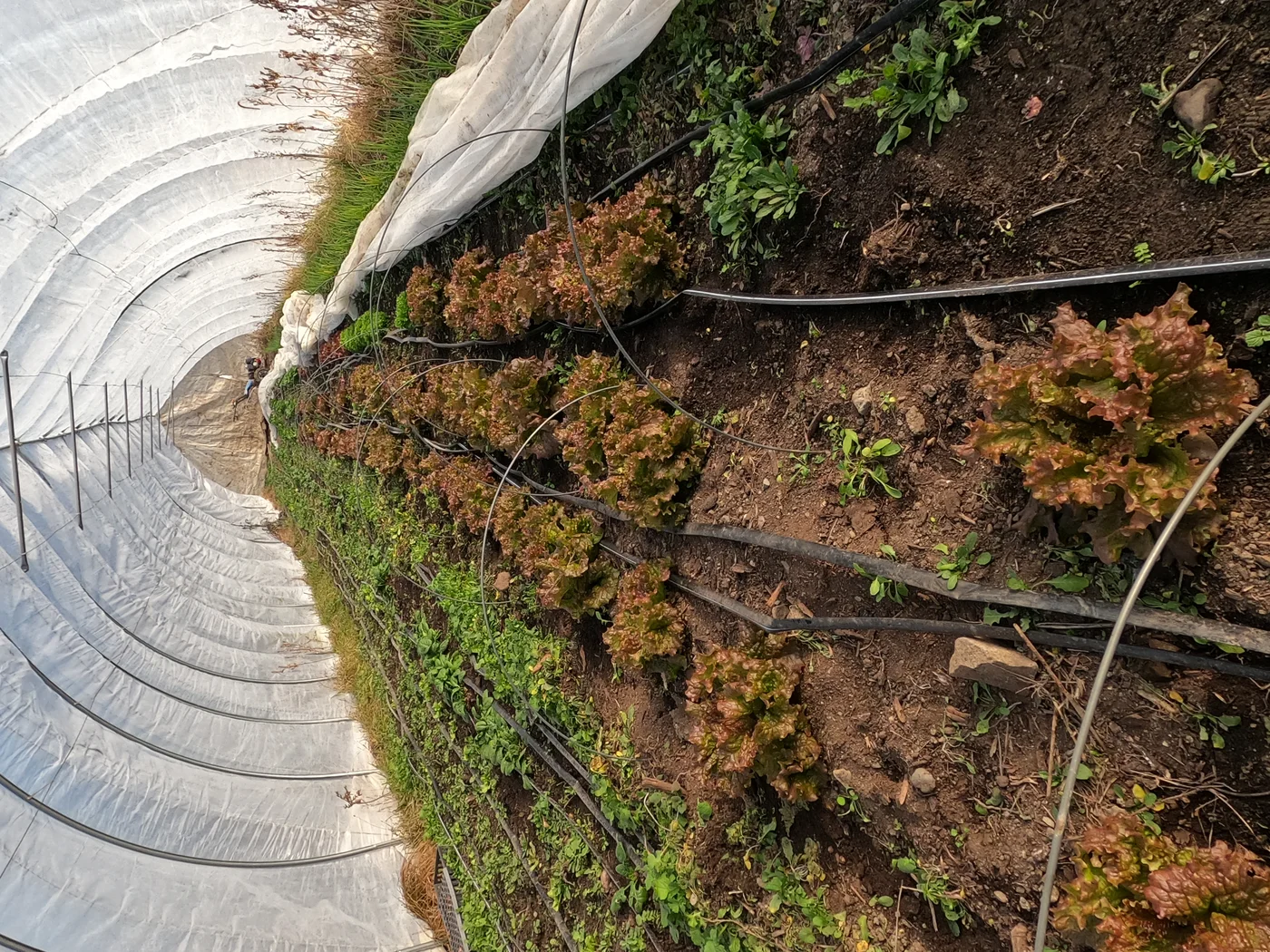
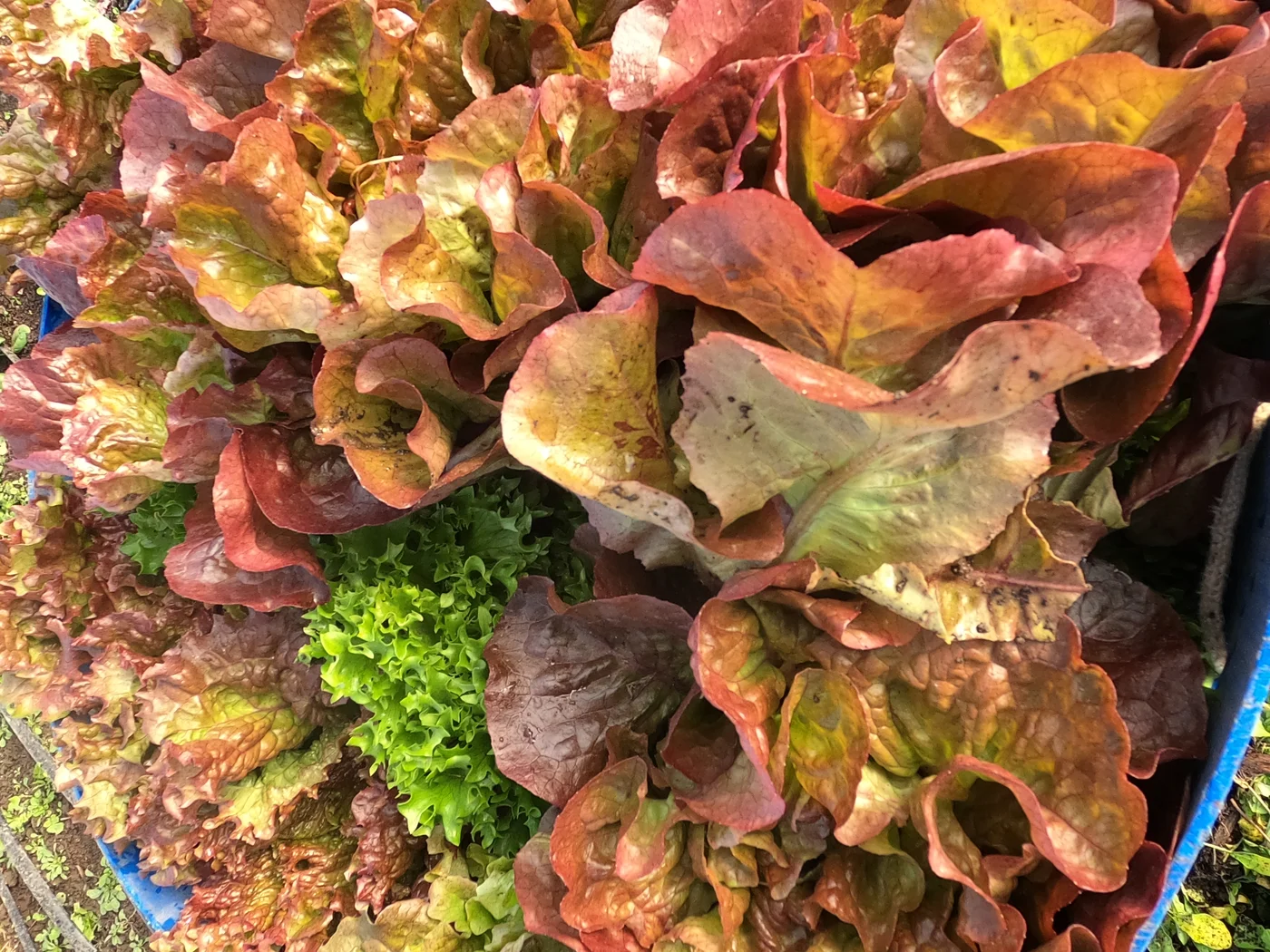
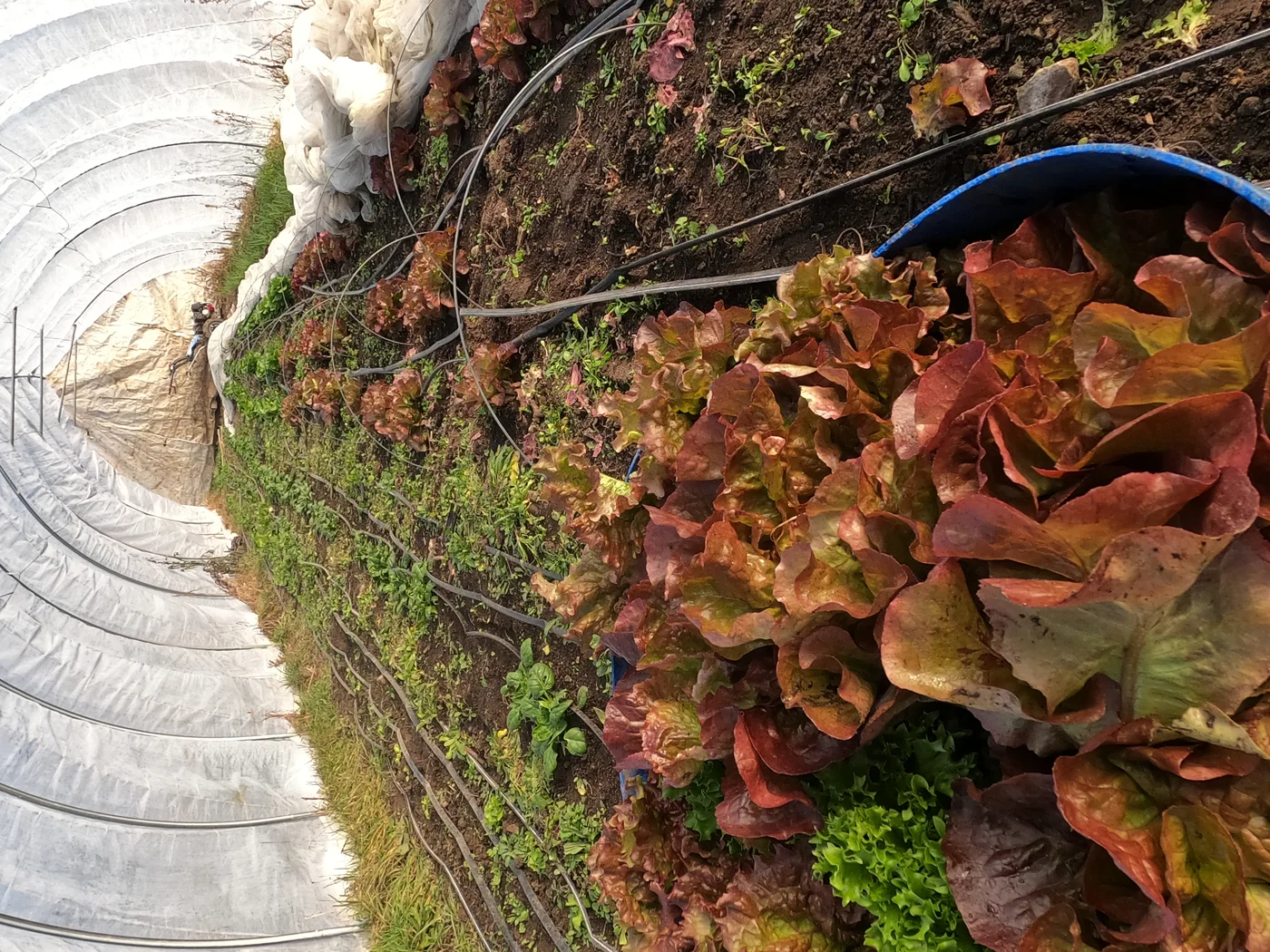
After lunch, I went to the high tunnel in the main field to harvest lettuce…almost the last except for about 20 feet or so. Then I went up to King’s field to grab some mustard greens which, as it turns out, had been damaged by the cold so that will need to be picked through a little before packing into clear plastic clamshell containers for delivery to the general store.
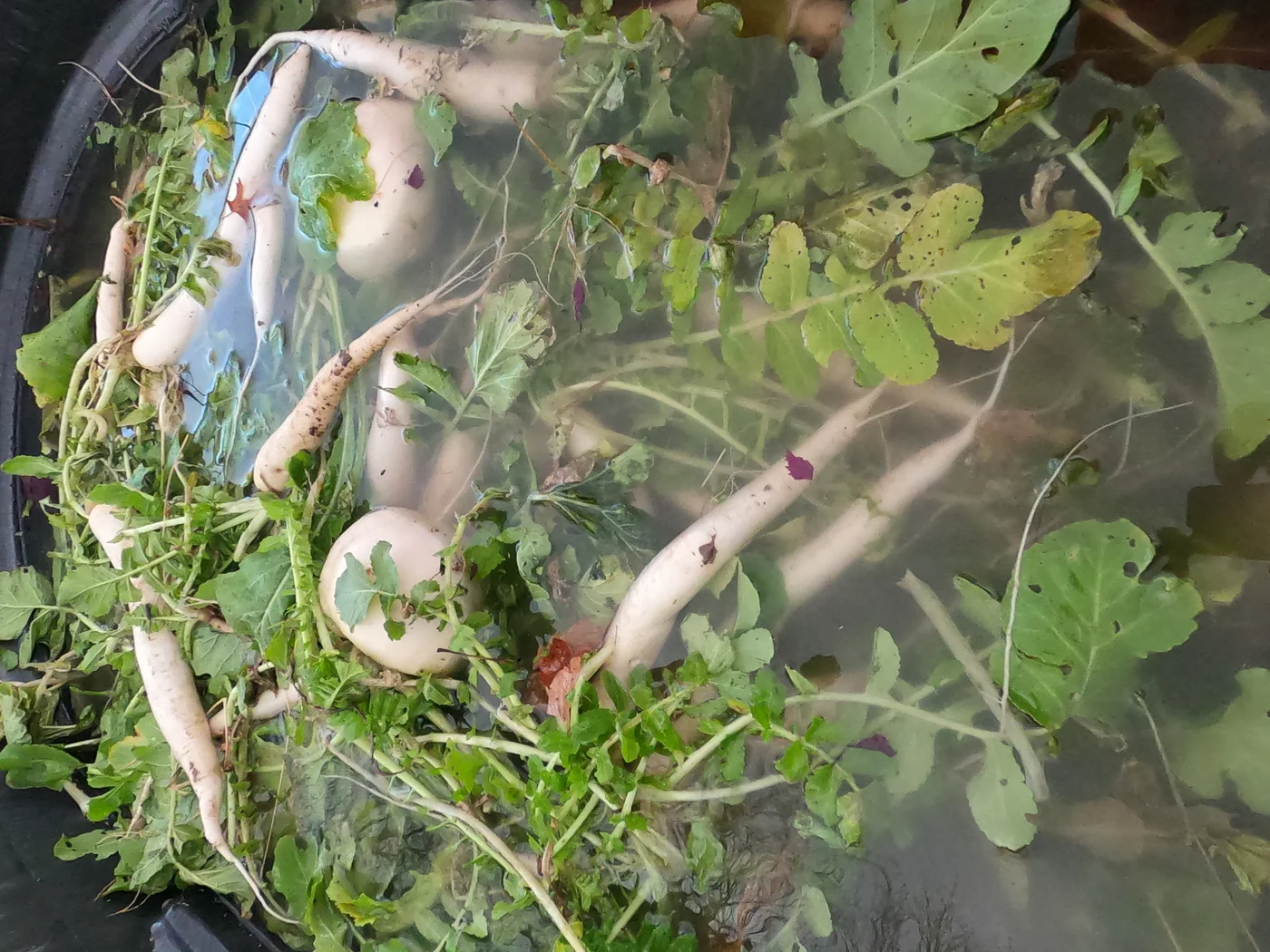
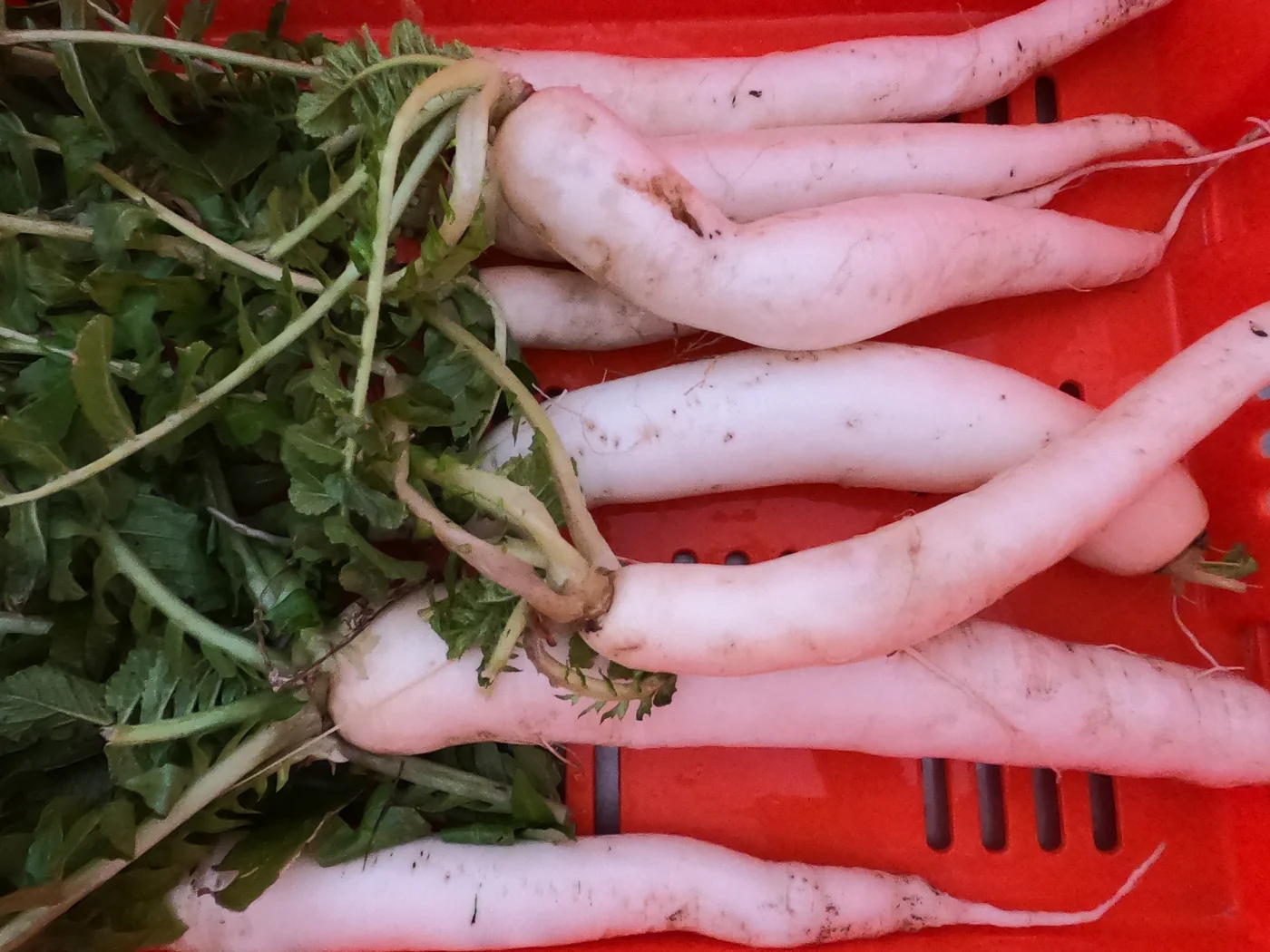
I also pulled a blue bin’s worth (or around 30lbs) of daikon radishes, many of the large ones we’d already pulled from another more developed bed, but there were still very viable smaller ones the size of very large carrots in the bed left over. This field has snow crusts all over since yesterday’s precipitation but after 6 hours of daylight, the daikons showed only marginal sign of frost damage. While washing, I noticed that the base of some of their outer shoots showed signs of freeze, such as when vegetables are kept in a refrigerator set to too low a temperature, but these can simply be taken off during washing and binning.
As I washed, there was a moment where the wind in the tall pines kicked up and it got dark and cold, like one would expect the last few moments of death by old age feels like, then snowflakes began to fall and all at once it felt like Christmas did when I was little. I remember coming in from bringing wood for the fire from the cord piles in the back yard, my nose and ears and toes so cold. My dad taught me how to light the fire in our wood-burning stove, starting with newspaper under kindling topped with a single log so as not to compress the rest below and leave no airflow.
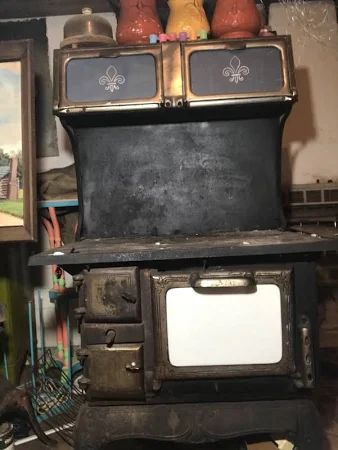
It had an ash drawer at the bottom and round stove plates that fit together and we used a cooking lid port handle tool to move them around when necessary. I learned how to control ventilation and adjust airflow before and after putting new logs in. And it was one of my usual chores to clean it and take out the ash to the compost pile. I don’t mind this farm work, though hard on the joints and muscles, because it reminds me a lot of the work I did as a child, taking care of the yard and garden. Kids without chores are missing out…they may never develop a desire to see hard things through…and never reap the rewards of doing so.
AI Summary from Field Notes
Nothing to add or materially change about the summary today. I have other writing and computer work I have to do anyway.
Summary
Final Consolidated Summary
Main Themes
- Agricultural Labor: Tasks involving crop washing, cutting, harvesting, and cleaning.
- Weather Impact: Frost and snow affecting crop quality and work conditions.
- Physical Challenges: Cold, muddy, and slippery environments increasing labor strain.
- Crop Damage: Frost and pest damage reducing usable yield and requiring careful handling.
Activities Performed
- Washed and packed lettuces after harvesting.
- Cut frost- and pest-damaged mustard greens, which were difficult to handle.
- Harvested daikon radishes from a muddy field, requiring gentle techniques.
- Cleaned bins and the wash basin, which became increasingly cold and challenging.
New Things Not Yet Encountered
- Dealing with frost-damaged crops (e.g., blackened leaves).
- Harvesting in muddy fields, which caused boots to get stuck.
- Gently harvesting delicate radishes without breaking them.
- Collaborative decision-making with Jamie to prioritize usable crops.
Questions and Future Research
- How can frost damage be mitigated, and what are its economic impacts?
- What tools or methods can efficiently separate usable crops from damaged ones?
- How to reduce mud’s impact on harvesting efficiency and worker safety?
- What strategies protect workers from cold-related fatigue or injury?
- Are there alternative radish harvesting techniques to minimize damage?
Suggestions
- Use durable, slip-resistant boots for muddy conditions.
- Adjust harvesting schedules to avoid frost-prone times or invest in damage-sorting tools.
- Implement crop-sorting systems to quickly remove frost-damaged produce.
- Provide temporary shelters or warming areas for workers during cold weather.
- Train staff in gentle harvesting techniques for delicate crops like radishes.
Part 1
Main Themes:
- Seasonal Farming and Winter Preparation: The intern is focusing on preparing for the cold winter months, including protecting livestock and crops.
- Cold Weather Impact: The extreme cold and storm conditions are affecting both the farm’s operations and the animals’ well-being.
- Crop Management: Harvesting and managing lettuces in greenhouses and high tunnels, with a focus on extending the harvesting season.
- Beekeeping and Wildlife Protection: Insulating bee hives to protect them from the cold, highlighting the importance of pollinators during winter.
- Collaboration with the Store: Delivering produce to the store and managing crops for retail, while the CSA has already concluded.
Activities Performed by the Intern:
- Delivered produce: Onions, gourds, pumpkins (butternut squash, 30 pounds), and other items to the store.
- Boarded chicken coops: Secured the tops of chicken coops for laying hens and meat groups.
- Insulated bee hives: Applied an external insulation layer (black plastic-like vest) to protect bees from the cold.
- Checked greenhouse lettuces: Assessed the late-season lettuce crop, which was small and opportunistic.
- Harvested lettuce from high tunnel: Collected lettuce for the store, noting its small size and market value.
New Things Not Yet Encountered:
- Bee Hive Insulation: Using black plastic-like vests to insulate bee hives, a method not previously mentioned.
- Cold Weather Preparedness: Specific steps to protect animals (chickens, bees) from extreme cold, including stormfront monitoring.
- Late-Season Lettuce Management: Harvesting small, opportunistic lettuce crops in December, a strategy for extending the harvest season.
Questions and Future Research Areas:
- Effectiveness of Bee Hive Insulation: How well does the insulation layer protect bees from the cold? Will it be sufficient for the predicted temperatures?
- Cold Weather Impact on Crops: Will the cold and snow damage the lettuce or other crops? How to mitigate this?
- Harvesting Season Extension: Can other crops be harvested in December to supplement the store’s supply?
- Animal Resilience: How will the chickens and bees withstand the extreme cold, and what additional measures are needed?
- Storm Preparedness: How to better monitor and respond to sudden weather changes (e.g., storms, snow) that may disrupt operations.
Suggestions for Improvement:
- Monitor Bee Hives: Regularly check the insulation’s effectiveness and the bees’ health, especially as temperatures drop.
- Protect Lettuce Crops: Consider additional protective measures (e.g., row covers) for the lettuce to ensure quality and quantity.
- Expand Harvest Strategies: Explore other crops or methods to extend the harvest season beyond December.
- Improve Cold Weather Planning: Develop a contingency plan for sudden storms or extreme cold, including emergency shelter for animals.
- Collaborate with Local Experts: Consult with beekeepers or agronomists to refine winter preparation techniques for the farm.
Part 2
Main Themes
- Agricultural Labor: Tasks such as washing, packing, cutting, and harvesting crops.
- Weather Impact: Frost and snow affecting crop quality and work conditions.
- Physical Challenges: Harsh conditions (cold, mud, slippery surfaces) and the physical strain of labor.
- Crop Damage: Frost and bug damage reducing crop yield and requiring careful handling.
Activities Performed
- Washing and Packing Lettuces: Cleaned and packed lettuces after harvesting.
- Cutting Mustard Greens: Removed frost-damaged and bug-damaged greens, which were difficult to handle due to blackened leaves.
- Harvesting Daikon Radishes: Picked radishes from a muddy, wet field, requiring careful and gentle handling to avoid breaking them.
- Cleaning Bins and Wash Basin: Washed bins and the wash basin after harvesting, which became increasingly cold and challenging.
New Things Not Yet Encountered
- Frost-Damaged Crops: Dealing with crops that had blackened leaves due to frost.
- Mud-Related Challenges: Harvesting in a muddy field that caused boots to get stuck and required extra caution.
- Harvesting Daikon Radishes: The delicate process of gently pulling radishes without breaking them.
- Collaborative Decision-Making: The intern’s interaction with Jamie about prioritizing time and resources for usable crops.
Questions and Future Research
- Frost Damage Mitigation: How can farmers protect crops from frost damage, and what are the economic implications of frost-damaged produce?
- Efficient Crop Handling: What methods can be used to separate usable crops from damaged ones (e.g., using tools instead of manual cutting)?
- Mud Management: How can farmers reduce the impact of muddy fields on harvesting efficiency and worker safety?
- Cold Weather Labor: What strategies can be implemented to protect workers from cold-related fatigue or injury during harvesting?
- Radish Harvesting Techniques: Are there alternative methods to gently harvest radishes without breaking them, such as specialized tools or timing adjustments?
Suggestions
- Protective Gear: Use durable, slip-resistant boots to prevent foot injuries in muddy conditions.
- Harvesting Optimization: Adjust harvesting schedules to avoid frost-prone times or invest in tools to handle damaged crops more efficiently.
- Crop Sorting Systems: Implement a system to quickly identify and remove frost-damaged crops, reducing labor time.
- Shelter or Warmth: Provide temporary shelters or warming areas for workers during cold weather to maintain productivity.
- Training for Workers: Train staff on gentle harvesting techniques for delicate crops like radishes to minimize damage.
[end of post]
Enjoy Reading This Article?
Here are some more articles you might like to read next: