TL;DR
We moved the chicken coops and I worked on cleaning up the tomato vines from the greenhouse. Below freezing temperatures made outdoor work much more difficult than usual.
What Doesn’t Thaw…
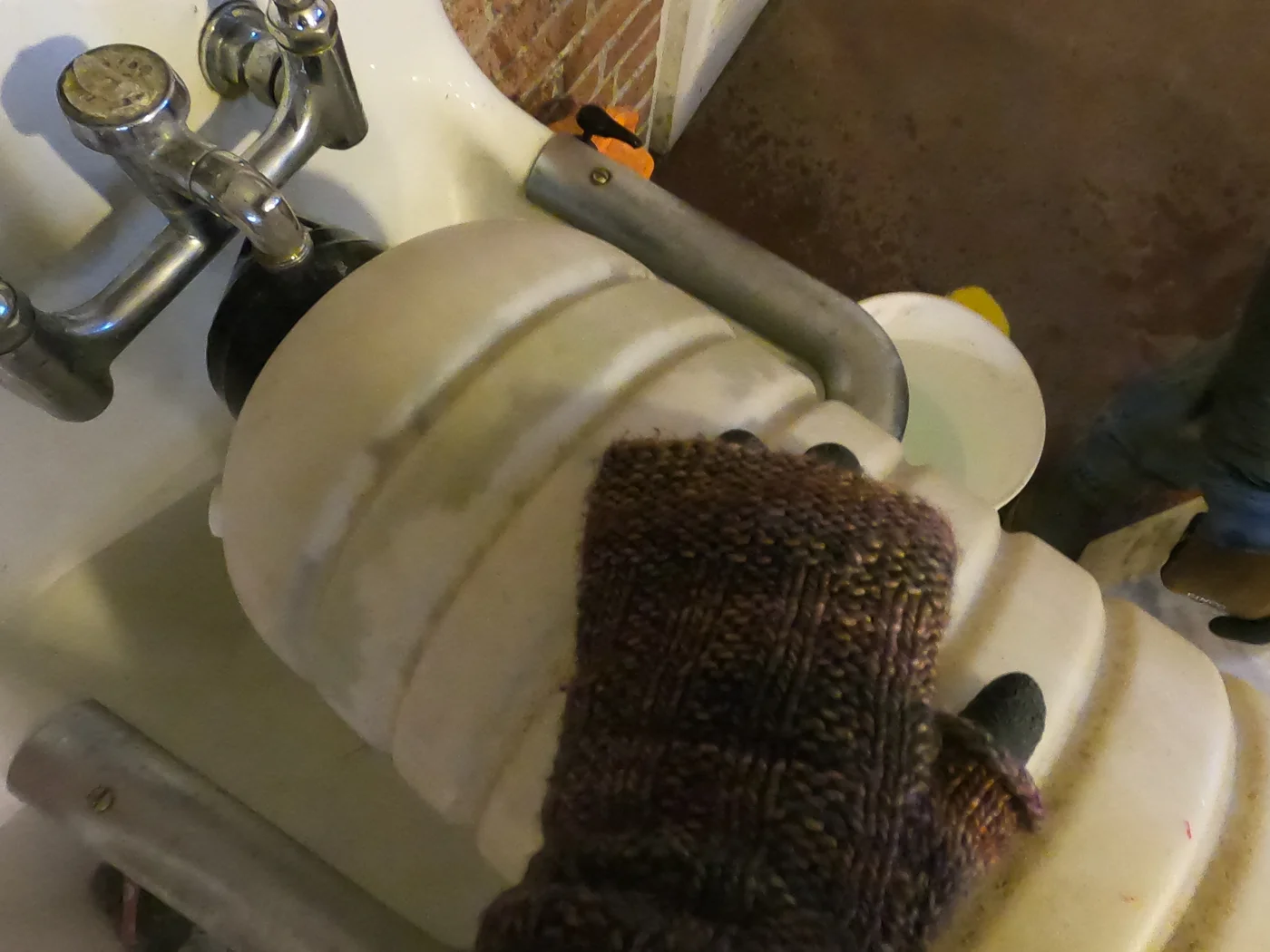
The tops of the chicken water jugs were frozen solid, as were their plastic bases. You don’t want to force or bend them when they’re this cold, even as thick as the plastic is, since it can crack and make the whole assembly useless. So we stick them into five gallon buckets full of hot water to release the tops…which means we’re filling buckets at the garage sink instead of outside with all of them in the back of the gator.
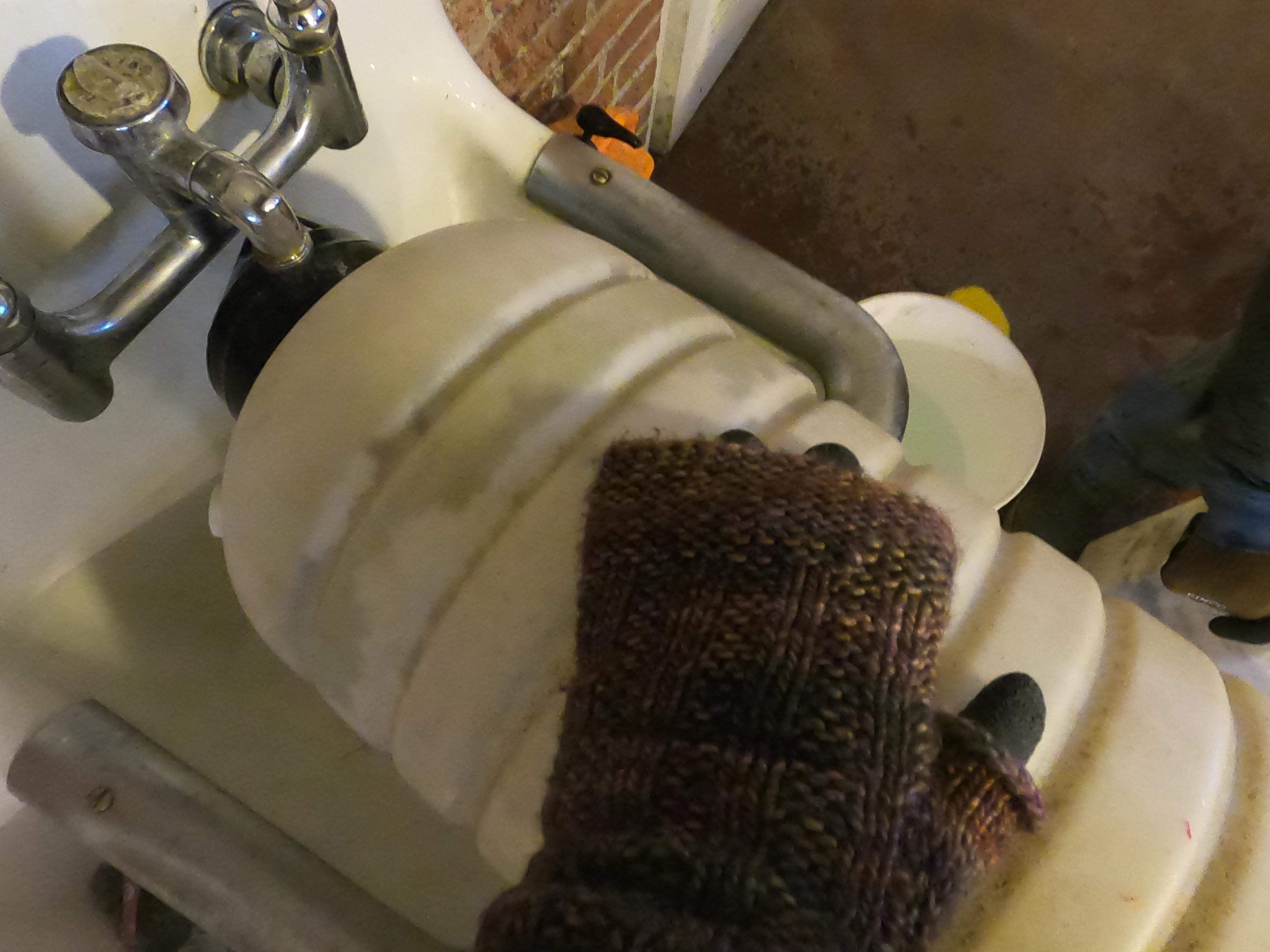
Ice is everywhere so you have to watch your step, especially on flat surfaces. You don’t want to spill more water on any concrete because its unlikely to thaw and evaporate any time soon, adding to the slipperiness for the rest of the winter.
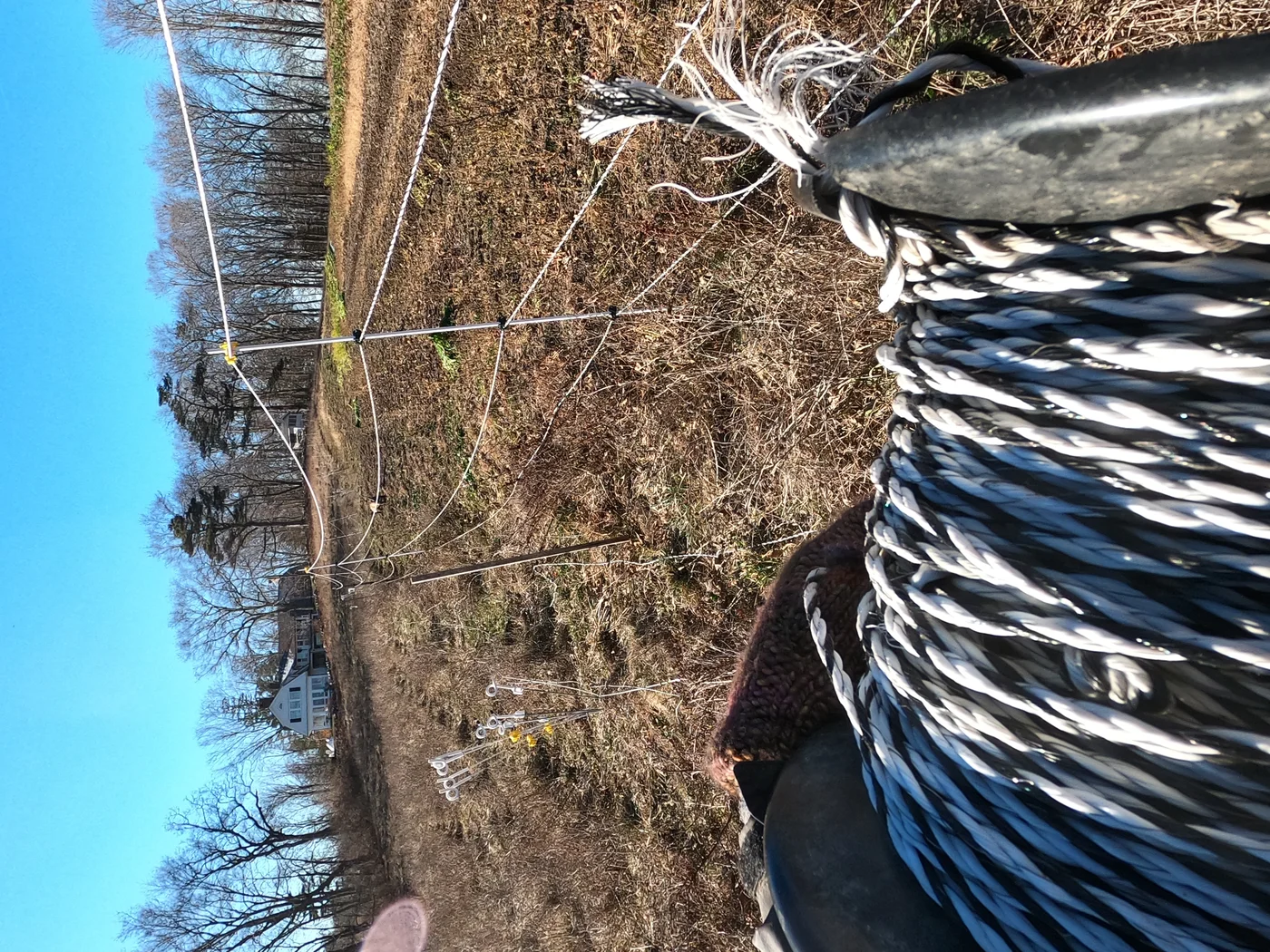
Moving the chicken coops is not a hard task, usually, except for when most of the fencing spikes and pigtail posts and netting are frozen into the ground. Then what is usually tedious but manageable with one pair of hands becomes…difficult. Putting the spikes and posts back in the ground is also mostly impossible without some hammering and luck. This took from about 8:15am-11:00am, after which I spooled electric fence wire around King’s field.
…Makes Us Stronger
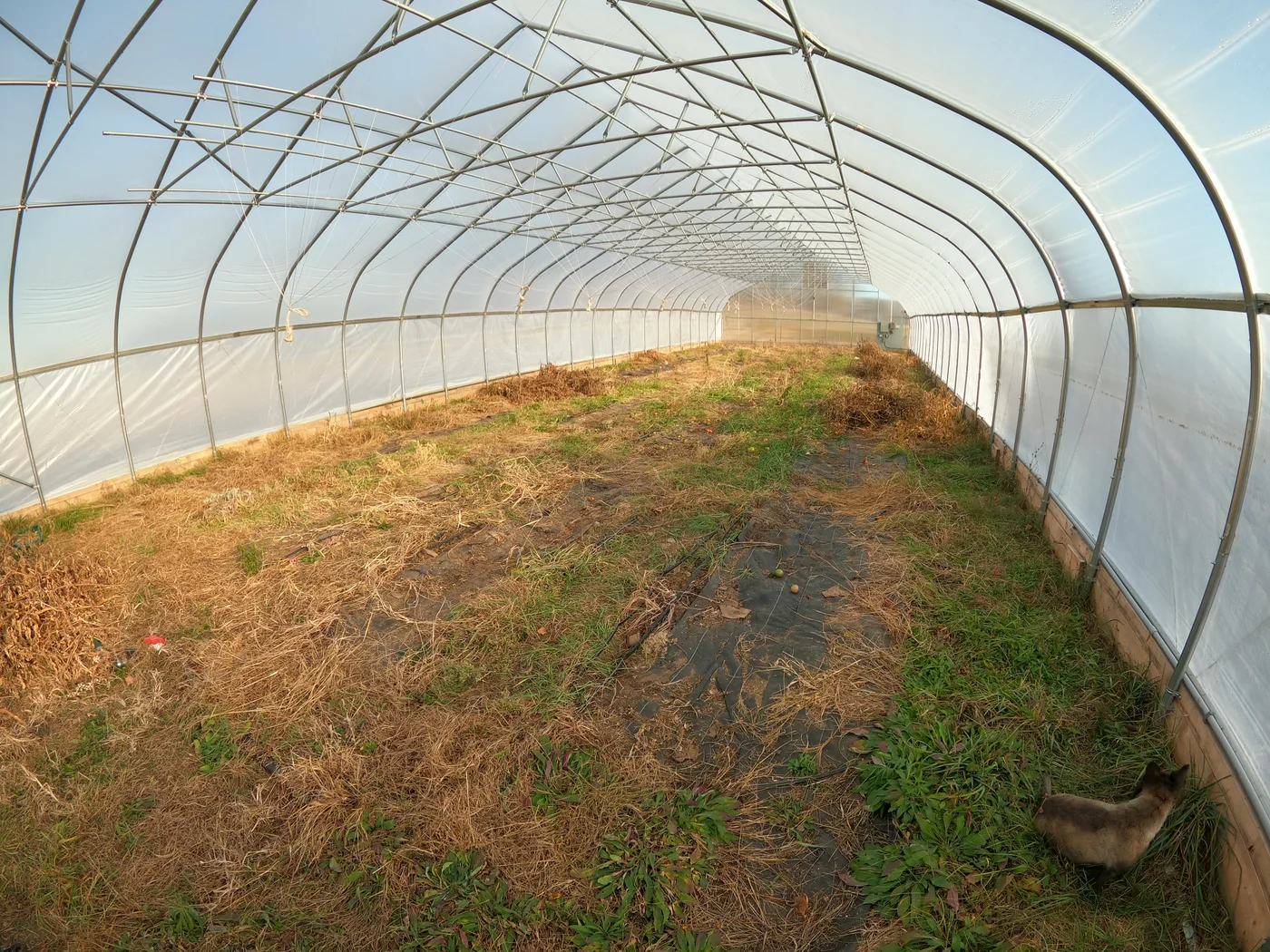
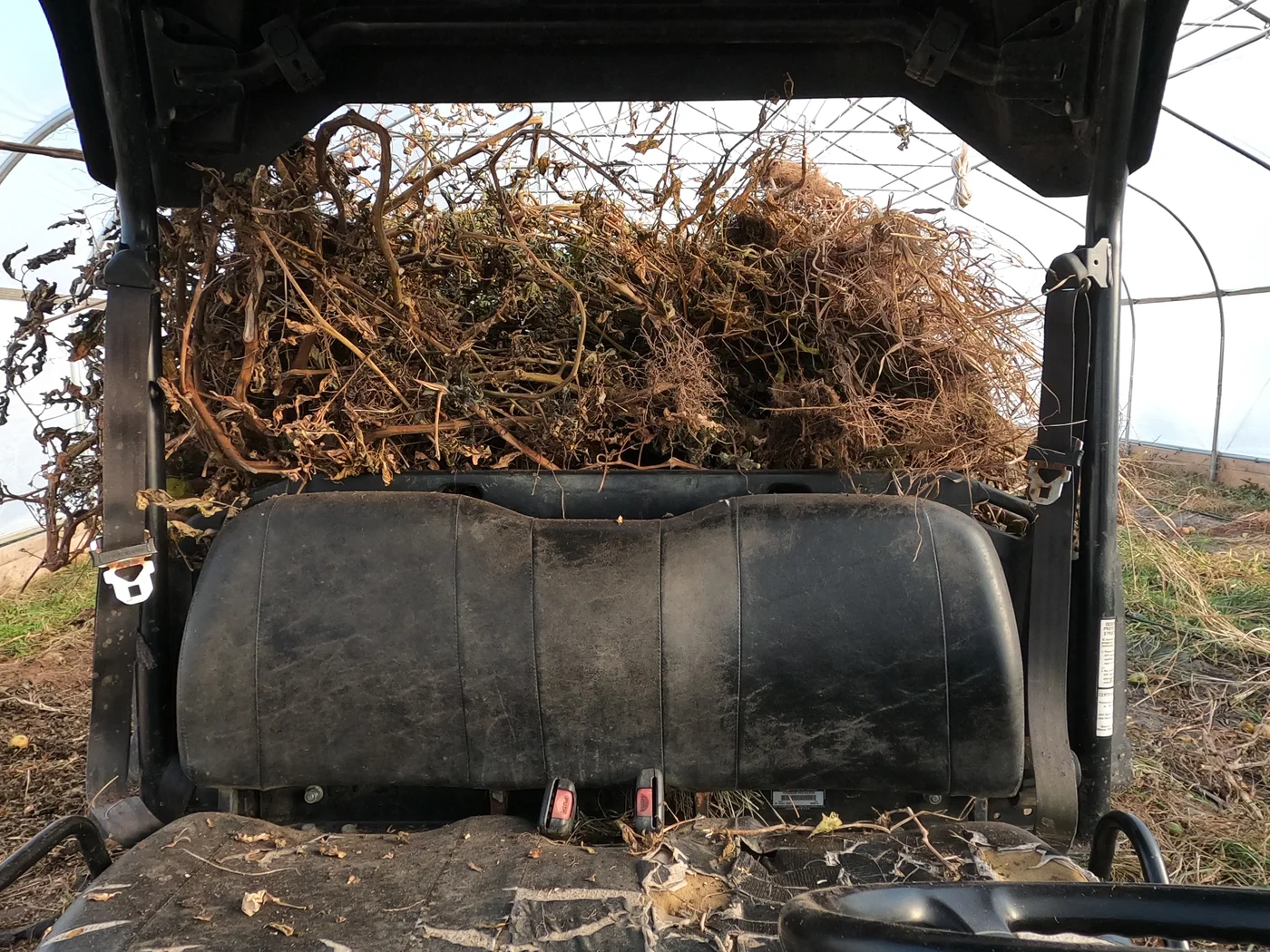
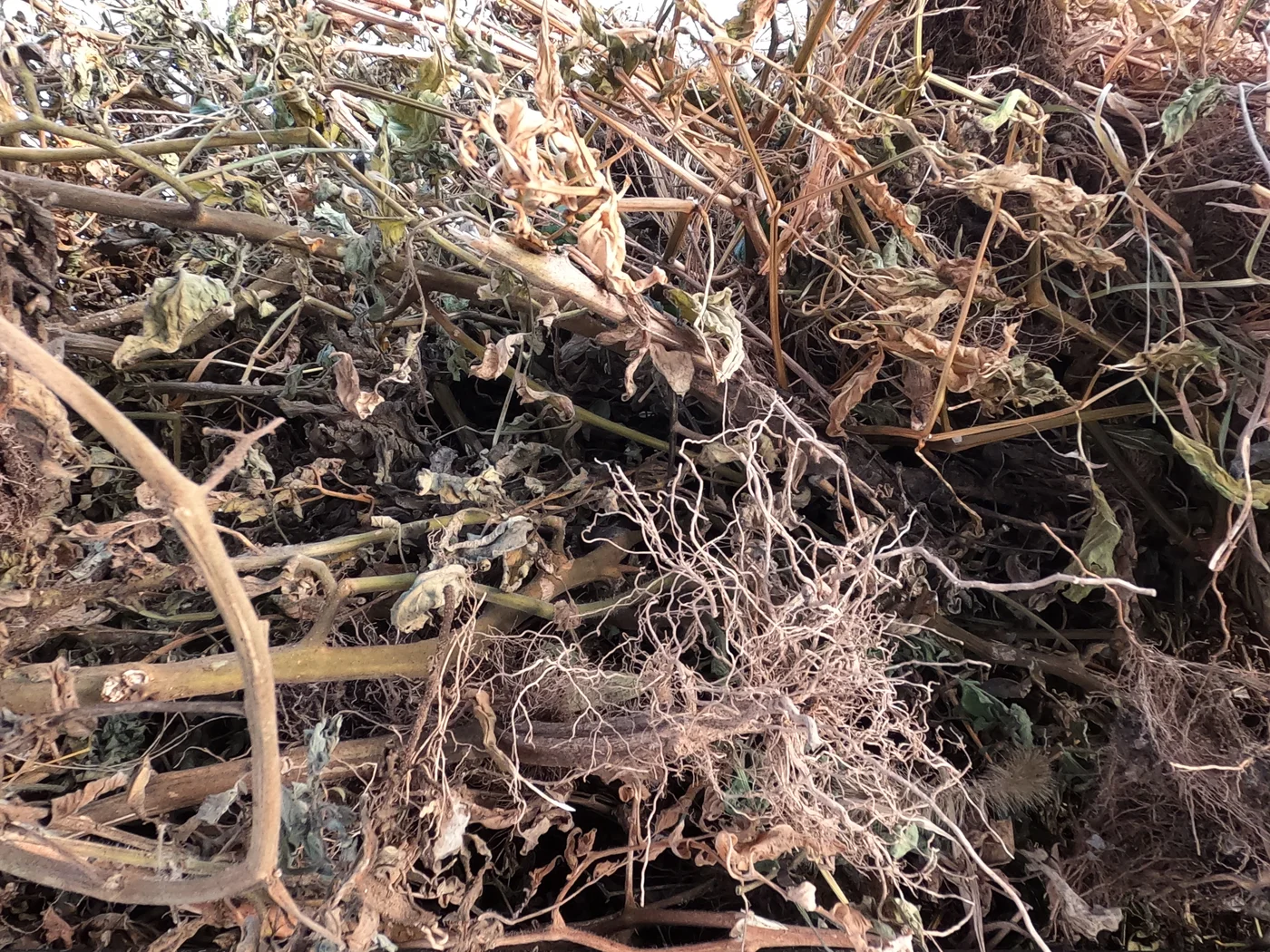
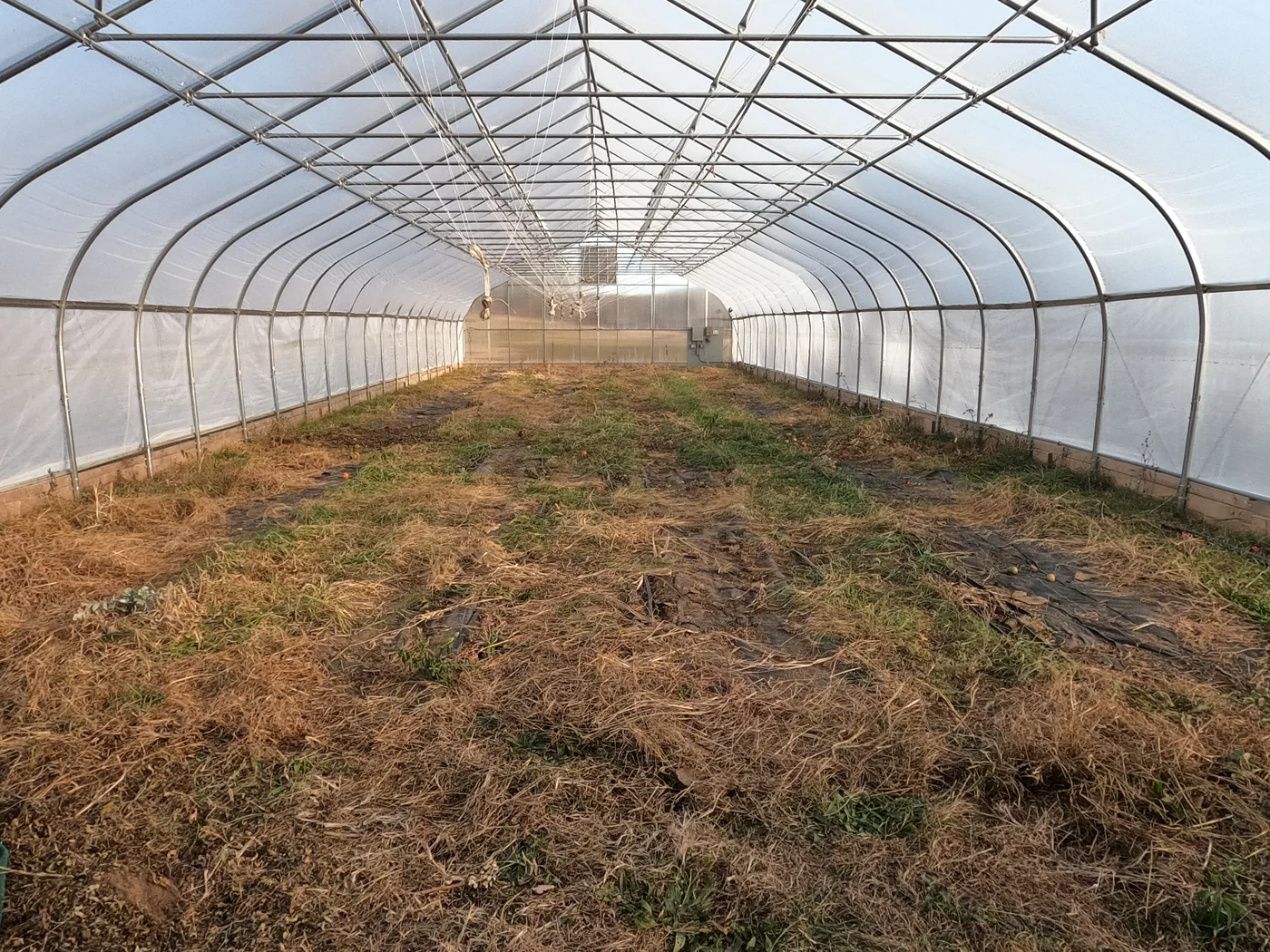
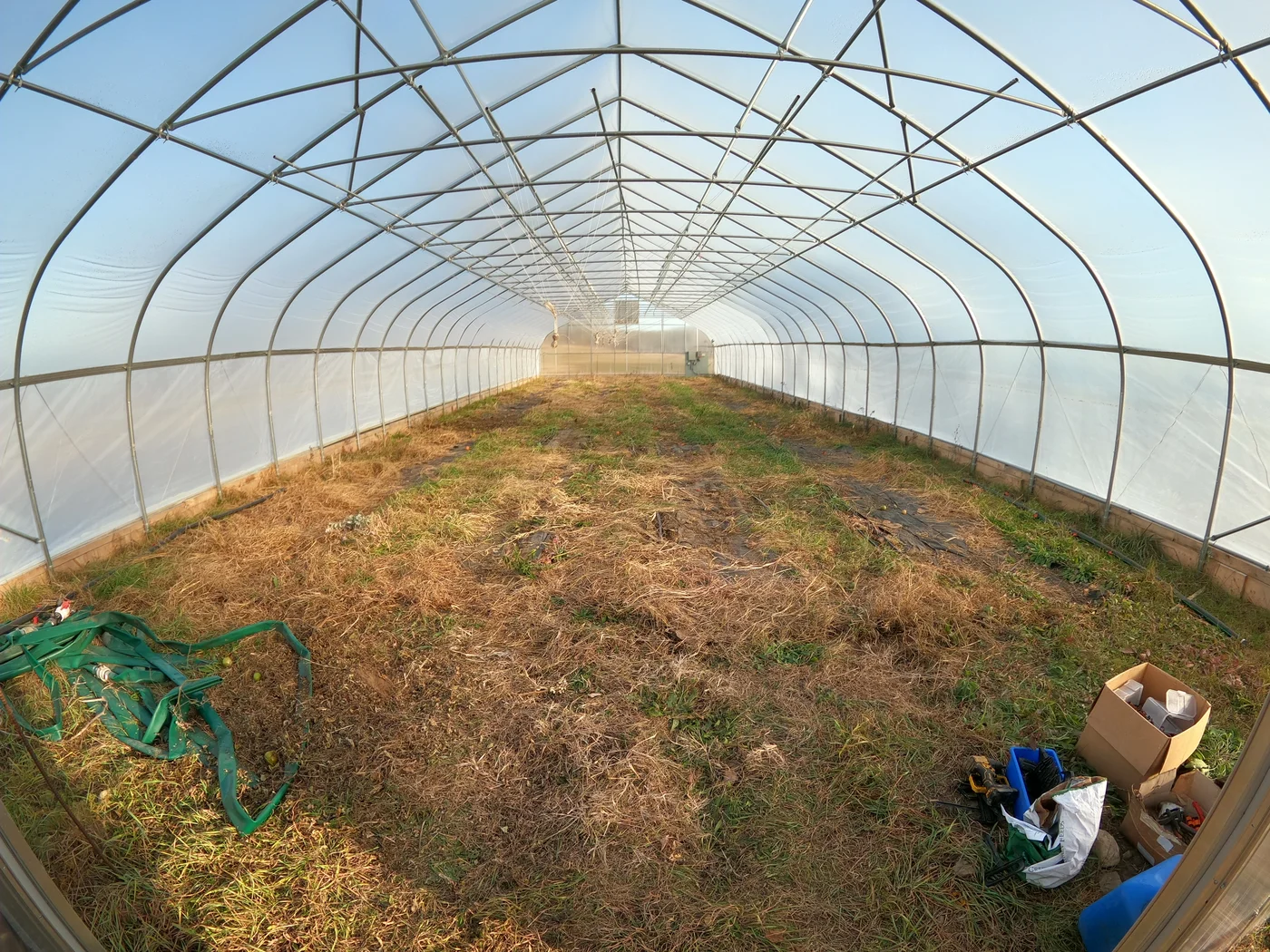
After lunch, I worked in the new greenhouse that sported the tomatoes this year, cleaning up old vines and brush. Because there’s some question whether we should reuse the trellis materials, we opted to keep it tied to the roof poles for now, and later do some research on that. This is a lesson in ‘last responsible moment’ from lean management principles…if we don’t know whether something is going to be needed in the future, we shouldn’t waste the time on it now, most often as is the case.
It’s this kind of work that makes me feel how different my body is now compared to when I started this season in April. Last year, volunteering for three mornings on other farms wasn’t enough to get me used to the work. This year, I feel stronger, more alive, and capable of accomplishing things.
AI Summary from Field Notes
At a quick glance, nothing in my automated summary needs tweaking today.
Summary
Consolidated Summary
Main Themes:
- Cold Weather Challenges: Extreme cold (27°F) impairs task efficiency, particularly with frozen ground affecting coop moving and fence adjustments.
- Coop Consolidation: Transitioning from three to two coops for laying hens, involving reconfiguration and labor-intensive moving.
- Greenhouse Maintenance: Clearing a tomato greenhouse of dead plants, debris, and leftover trellis materials.
- Animal Care: Regular watering for pigs due to their size and dry conditions, despite the cold.
- Task Prioritization: Adjusting work schedules based on weather (e.g., saving irrigation line cleanup for a rainy day).
Activities Performed:
- Coop Moving: Moved coops for laying hens, encountering difficulties due to frozen ground.
- Fence Work: Spooled excess electric fence around the Kingsfield field.
- Greenhouse Cleanup: Removed dead plants and debris from the greenhouse.
- Pig Care: Watered pigs twice due to their size and dry weather.
- Food Preparation: Prepared fatback for a local restaurant.
New Challenges/Responsibilities:
- Frozen Ground Handling: Dealing with frozen ground during coop moving requires extra effort.
- Greenhouse Cleanup: Tasked with clearing a greenhouse, a new responsibility.
- Trellis Material Reuse: Considering whether to reuse trellis materials between seasons due to disease concerns.
Questions for Future Research:
- Disease Risk from Trellis Materials: Potential disease issues from reusing trellis materials between seasons.
- Efficient Coop Moving in Cold Weather: Need for strategies to manage frozen ground during winter.
- Irrigation Line Management: Uncertainty about timing and method for removing irrigation line and landscaping fabric.
Suggestions/Actions:
- Save Greenhouse Tasks for Rainy Days: Address irrigation line and fabric removal after a rainy day.
- Plan for Future Greenhouse Work: Coordinate greenhouse cleanup with weather conditions.
- Investigate Trellis Reuse: Document or decide on the feasibility of reusing trellis materials for future seasons.
Part 1
Main Themes:
- Cold Weather Impact: The intern notes the extreme cold (27°F) affecting task efficiency, particularly with frozen ground making coop moving and fence adjustments difficult.
- Coop Consolidation: The farm is transitioning from three coops to two for laying hens, involving moving and reconfiguring coops.
- Greenhouse Maintenance: Clearing a tomato greenhouse of dead plants, debris, and leftover trellis materials.
- Animal Care: Regular watering for pigs due to their size and dry conditions, despite the cold.
- Task Planning: Prioritizing tasks based on weather (e.g., saving irrigation line cleanup for a rainy day).
Activities Performed by the Intern:
- Moved coops for laying hens (8:00–11:00 AM), dealing with frozen ground that slowed the process.
- Spooled excess electric fence around Kingsfield field.
- Cleared the tomato greenhouse of dead plants, debris, and trellis materials (15–45 minutes).
- Watered pigs twice due to their size and the dry, cold weather.
- Prepared fatback for a local restaurant.
New Things Not Yet Encountered:
- Dealing with frozen ground during coop moving: The intern notes that frozen ground made moving fence stakes and pigtail posts extremely difficult, requiring extra effort.
- Greenhouse cleanup: The intern is now tasked with clearing a greenhouse of dead plants and debris, a new responsibility.
- Trellis material reuse: The intern mentions considering whether to reuse trellis materials for future seasons due to disease concerns.
Questions and Future Research Areas:
- Disease risk from trellis materials: The intern raises the question of whether reusing trellis materials between seasons could lead to disease issues.
- Efficient coop moving in cold weather: The intern implies that frozen ground is a recurring challenge, suggesting the need for better strategies for winter coop maintenance.
- Irrigation line and landscaping fabric management: The intern plans to address these tasks after a rainy day, but the timing and method for removal remain unclear.
Suggestions or Actions:
- Save irrigation line cleanup for a rainy day: The intern notes that the greenhouse’s irrigation line and landscaping fabric will be addressed later.
- Plan for future greenhouse tasks: The intern is already working on clearing the greenhouse, which requires coordination with future weather conditions.
- Investigate trellis material reuse: The intern mentions Jamie’s investigation into reusing trellis materials, suggesting a need for documentation or decision-making on this issue.
[end of post]
Enjoy Reading This Article?
Here are some more articles you might like to read next: