TL;DR
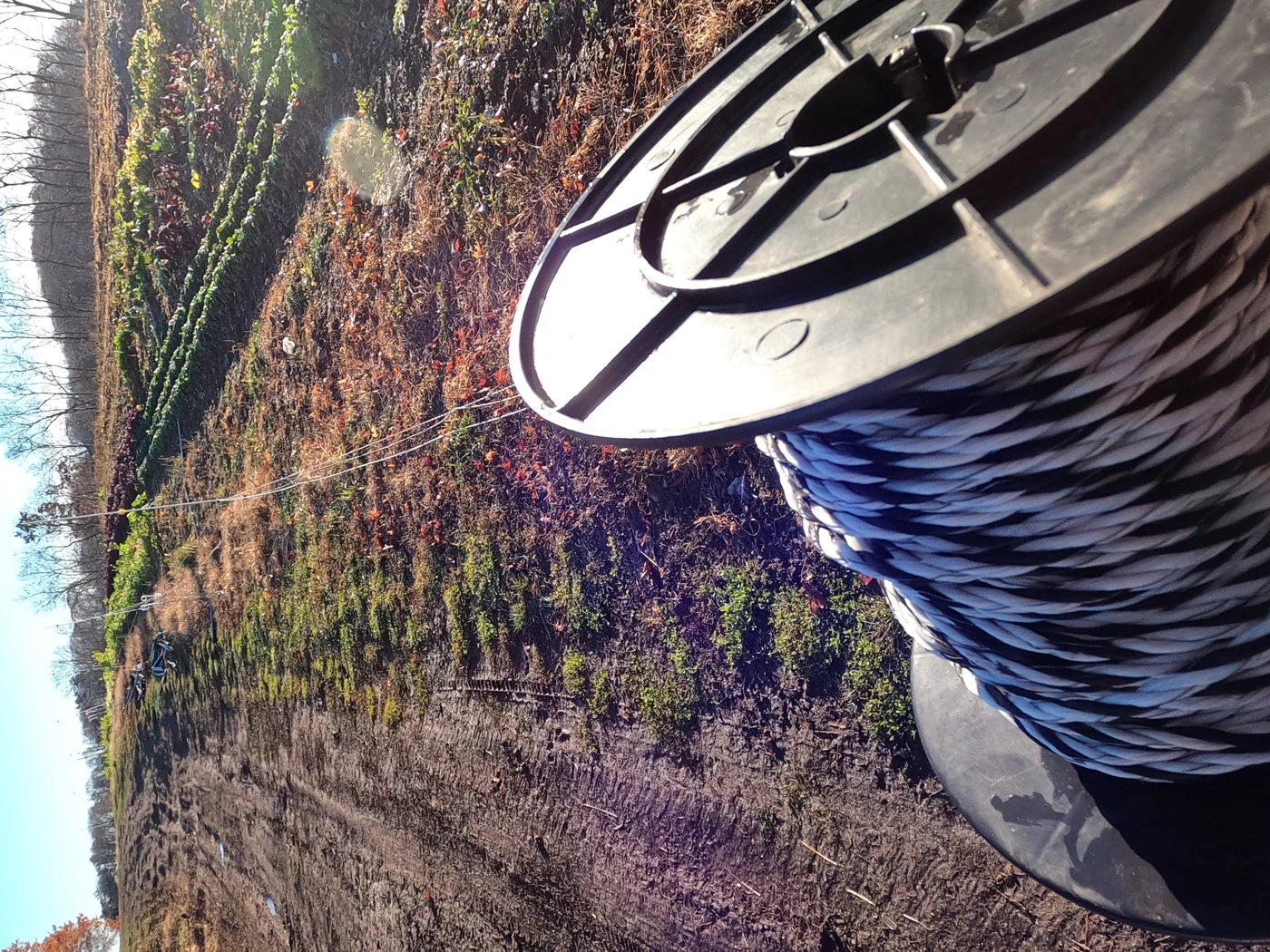
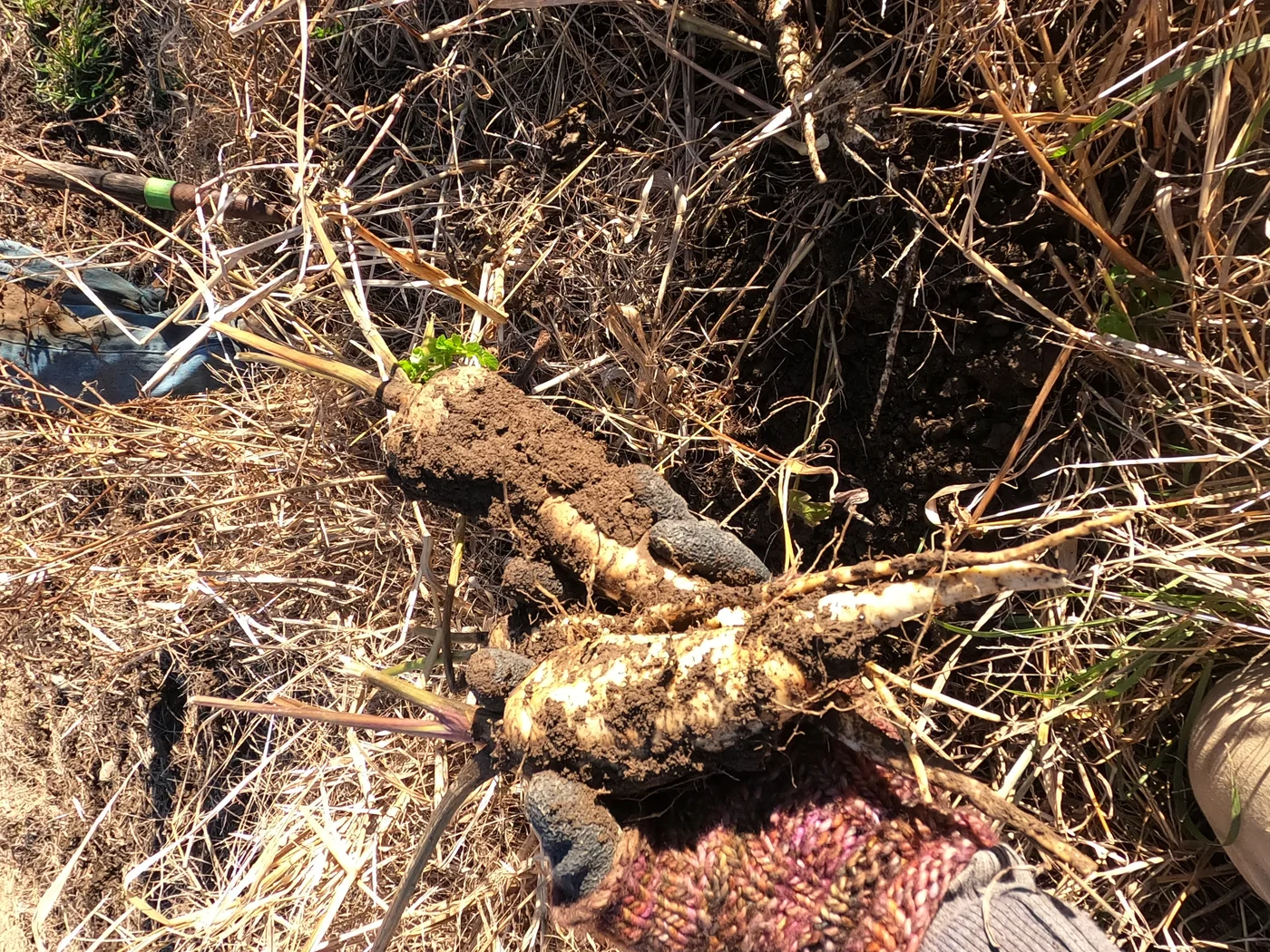
I cleaned up some electric fence while waiting for the salad turnips to thaw a bit, then we harvested mizuna, broccoli rabe, tatsoi, kale, and parsnips.
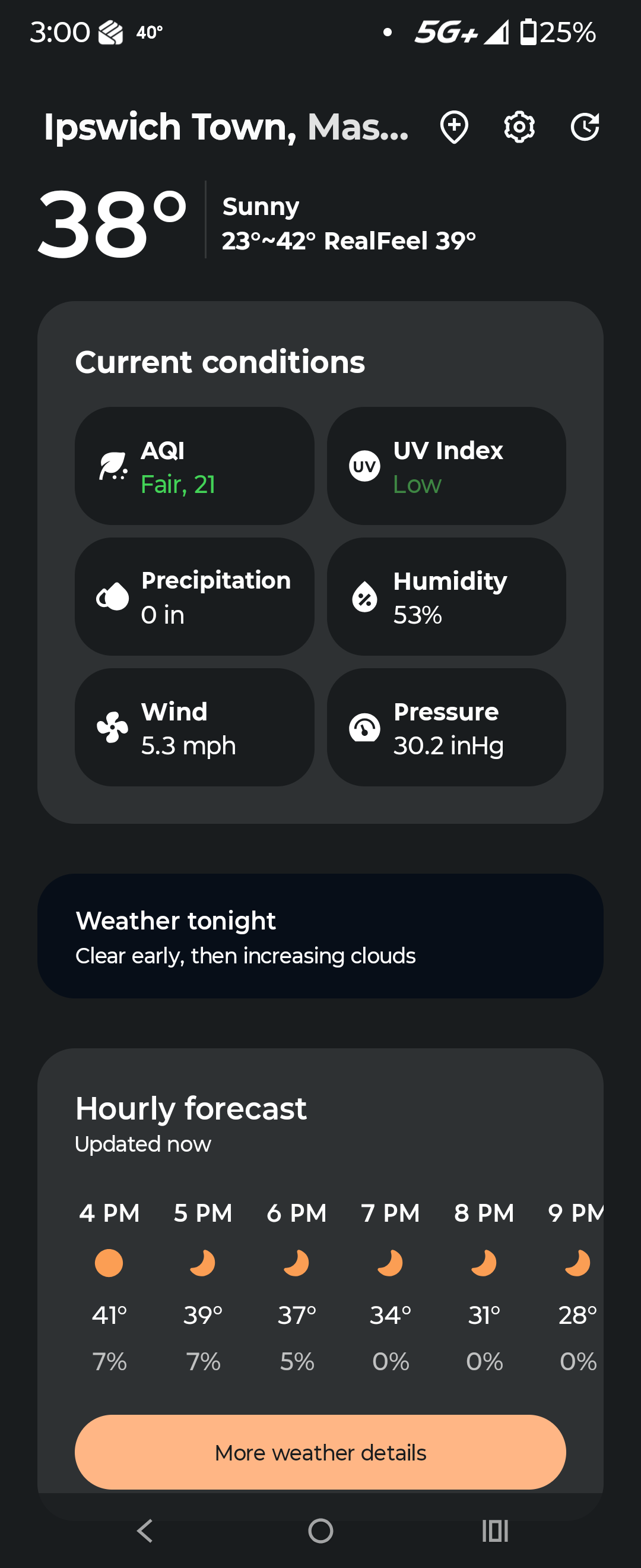
It was chilly and windy, but it could be worse and the work still needs doing.
Any Deterrent Can Be Dismissed
The deer fence, so important over the past two months, is no longer needed. Since taking it down from the perimeter of the whole main field to double the focus on King’s field where most of the fall crops were, the deer slowly found ways to get through despite the shocks, for their hunger and nature in these last cold days don’t allow them to be deterred by things as trivial as peanut butter and jump scares. The moments they are snacking on lettuces, beet greens, carrot tops, and anything not tasting too much like a brassica or cabbage are simply too precious and imperative to give up because of a fence.
Things are getting thinner for me too, income from the farm work will disappear for a few months in which I will have to make money with my computer instead. The job market is in a perpetual state of uncontrollable diarrhea…and I thought that 2024 was bad…this year has also been abysmal. Hopefully I’ll get a few bites in January for all the job searching I’ll be doing this month, but its going to have to be something really worth it because the alternative is to do another year on the farm and a side-business.
Knowing what I know now about the end-to-end season…the cold and wet book ends, the delirium inducing heat of the summer, the daily sore muscles and achy bones, the cuts and bruises…these are deterrents easily dismissed. Next year will be a different experience than earlier this year when I was learning everything new. I can operate tractors and equipment now. I know how to grow, tend, and harvest dozens of crops and varieties. I understand so much more about the weekly activities and commitments of a CSA. I can onboard new people and train them on standard operating procedures. I have this blog as reference for just about every activity I was involved with this year, relentlessly capturing the details of the what I learned and felt throughout.
And I have so much more to learn with repetition and exercise. So much deeper the context I need in order to effectively anticipate and adapt to the challenges of the season. Things will change for sure, and there’s no such thing as mastery the first time around. It all takes time and effort, again and again…and optimism which is the greater dismissal of doubt and fear.
Parsnips, My Soul Food
Parsnips are a traditional and well-known root vegetable in New England, grown there since colonial times. The cold winters make New England parsnips especially sweet, and they are a celebrated part of the region’s seasonal food culture, with harvests in both fall and spring…
…and on and on, Google AI says. None of these things are why I love parsnips.
It shouldn’t have been, but nevertheless was a great surprise to me when, only a few weeks ago, we started pulling parsnips. I didn’t seed them and apparently only weeded them once all year, so maybe the oversight is forgivable.
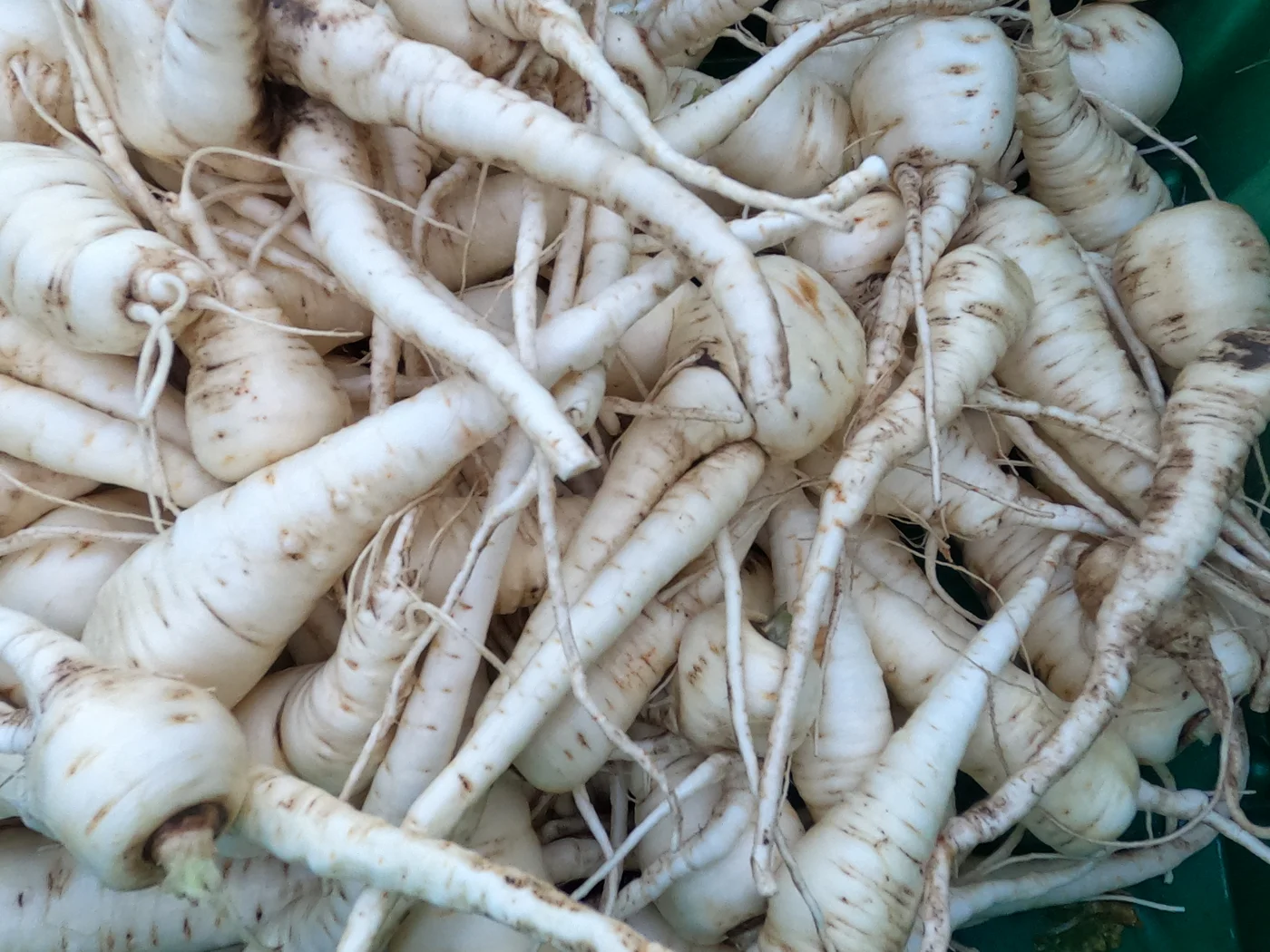
I like parsnips because they’re tough buggers, they take all season to grow, they germinate unpredictably, they’re twisted and ugly compared to their fancier superstar cousins, hard to clean completely, a bit sweet and a little spicy…many qualities in common with some of the more earthy people that grow up in New England. They also store for a long time in the right conditions, similar to how cold-hearty people can stick it out in even the worst of times.
Parsnips are a good source of several vitamins, particularly folate (B9), vitamin C, and vitamin K. They also provide significant amounts of vitamin B5 (pantothenic acid) and smaller amounts of other B vitamins like B1, B3, and B6, as well as vitamin E. They’re also a good source of fiber, as any bite of one will instantly demonstrate.
So how do I eat parsnips? Mostly raw, like a lusciously evil carrot that Count Dooku might have eaten in a galaxy far, far away. I love that the small tail, the middle part, and the sprouting top all taste and feel different. If you had to make me cook them, I’d say roast them with a little bit of olive oil and salt and pepper and maybe some dehydrated Cayenne grind-powder. Cube them up small and stir-fry them with rice and a little fish sauce and egg. I also shave them super thin with my mandolin slicer to layer in to a fancy salad from time to time, along with apple and hazelnuts.
Anyway, you should try them if you haven’t already. Even the superstore kind tend to stay true to most of their biological characteristics.
AI Summary from Field Notes
On quick glance, I don’t see any glaring omissions or errors in the summary today. The transcript also looks like it got most of the terms and words correct, so that usually improves the summary in my experience with this infernal LLM-based process.
Part 1
Main Themes
- Farm Work and Harvesting: Focus on harvesting parsnips, comparing them to other crops like onions.
- Crop Characteristics: Description of parsnips (sweet, spicy, cinnamon-like flavor, fresh, and less space-efficient in bins).
- Daily Tasks: Picking up trash/recycle bins, finishing the day, and managing work schedule.
- Future Plans: Transitioning to greenhouse work in February, seasonal work timeline, and eventual role change to a home office.
- Environmental Interaction: Impact of deer on crops and the importance of timing in harvesting.
Activities Performed by the Intern
- Harvesting Parsnips: Collected parsnips, noting their size, weight, and freshness.
- Trash/Recycle Collection: Picked up bins from the road and brought them back to the farm.
- Work Scheduling: Documented a weekly work schedule (3 days a week) and planned for the rest of the year.
- End-of-Day Tasks: Completed work at 3:00 PM, preparing for the next week.
- Future Work Planning: Noted greenhouse work in February and transition to home office tasks.
New Things Not Yet Encountered
- Parsnip Flavor Profile: The intern describes a unique cinnamon-like taste, which may be a novel observation.
- Deer Impact on Crops: The deer had eaten into the greens, affecting crop quality but not fully damaging them.
- Greenhouse Work: The intern is transitioning to greenhouse tasks in February, which may involve new techniques or crop management.
- Home Office Work: The intern plans to shift to a home office role after December, involving different responsibilities.
Questions and Future Research Areas
- Deer Impact on Crops: How can the farm mitigate deer damage while maintaining crop quality?
- Parsnip Storage and Space Efficiency: Why do parsnips take up less space in bins compared to onions?
- Flavor Profile of Parsnips: What factors contribute to the cinnamon-like taste?
- Transition to Greenhouse Work: What specific tasks will the intern handle in the greenhouse?
- Seasonal Work Scheduling: How will the intern balance farm work with home office responsibilities?
Suggestions for Action
- Document Parsnip Harvesting: Track details (weight, storage, flavor) for future reference or research.
- Monitor Deer Activity: Implement strategies (e.g., fencing, repellents) to protect crops from deer.
- Plan for Greenhouse Work: Prepare for the transition to greenhouse tasks, including training or equipment familiarization.
- Adjust Work Schedule: Clarify the intern’s role in the home office and ensure alignment with farm needs.
- Record Seasonal Work Timeline: Create a detailed schedule for the rest of the year, including December and February.
Part 2
Main Themes:
- Weather and Harvesting Challenges: The intern works in cold weather, emphasizing the need to defrost crops and manage timing for optimal harvest.
- Crop Management: Harvesting and preparing multiple crops (salad turnips, broccoli, tot soy, red Russian kale, mizuna, parsnips).
- Gear and Safety: Use of gloves, mittens, and tools (shovel, bin, etc.) to protect against cold and handle crops.
- Workflow Optimization: Balancing tasks like washing, bundling, and storage during cold conditions.
Activities Performed by the Intern:
- Defrosted and Harvested Salad Turnips: Waited for them to defrost, then bundled them.
- Washed and Packaged Turnips: Cleaned and prepared for storage.
- Harvested Broccoli: Cut and bundled loose-leaf broccoli.
- Processed Tot Soy: Removed damaged leaves, bundled small heads.
- Harvested Red Russian Kale: Cut into bunches with stems ~2–3 thumb widths.
- Cut Mizuna: Trimmed tops, left stems for packaging.
- Shoveled Parsnips: Removed parsnips from the ground, dusted off, and stored.
- Washed and Stored Crops: Cleaned all harvested produce and organized into bins.
New Things Not Yet Encountered:
- Tot Soy Harvesting: A specific crop requiring removal of damaged leaves and bundling.
- Mizuna Stems: A detail about mizuna stems being crispy but less desirable for packaging.
- Parsnip Shoveling: A method for extracting parsnips from the ground.
- Glove Combination: Using a mix of rubber gloves and wool mittens for cold-weather protection.
Questions and Future Research Areas:
- Effectiveness of Gear in Cold Weather: How does the combination of rubber gloves and wool mittens perform in extreme cold?
- Weather Impact on Harvest Timing: How does prolonged cold affect the defrosting and harvesting of crops like salad turnips?
- Crop Handling for Packaging: What is the optimal way to handle mizuna stems (e.g., wilting vs. cutting)?
- Tool Efficiency: Are there better tools or methods for shoveling parsnips or cutting mizuna?
- Gear Storage/Replacement: How to prevent losing gloves or other tools in cold environments?
Suggested Actions:
- Secure Gloves: Ensure gloves are stored in a designated location to avoid loss during cold weather.
- Optimize Break Scheduling: Plan breaks during colder periods to avoid overexertion.
- Train on Crop-Specific Handling: Educate team on techniques for tot soy, mizuna, and parsnip harvesting.
- Monitor Weather for Harvest Timing: Adjust workflows based on forecasted cold or warm periods.
- Test Gear in Extreme Conditions: Evaluate the durability and comfort of the glove combination in extreme cold.
[end of post]
Enjoy Reading This Article?
Here are some more articles you might like to read next: