
TL;DR
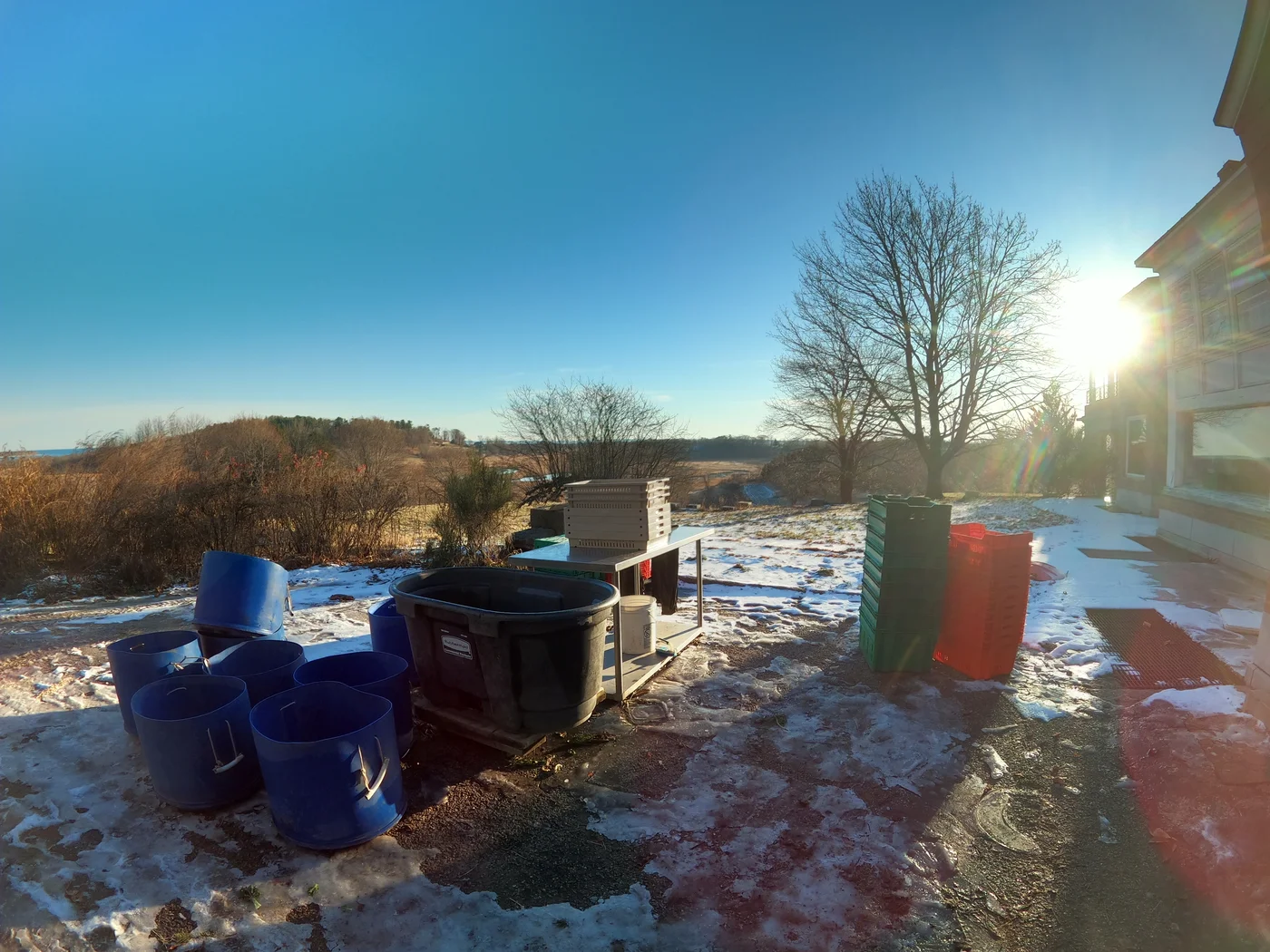
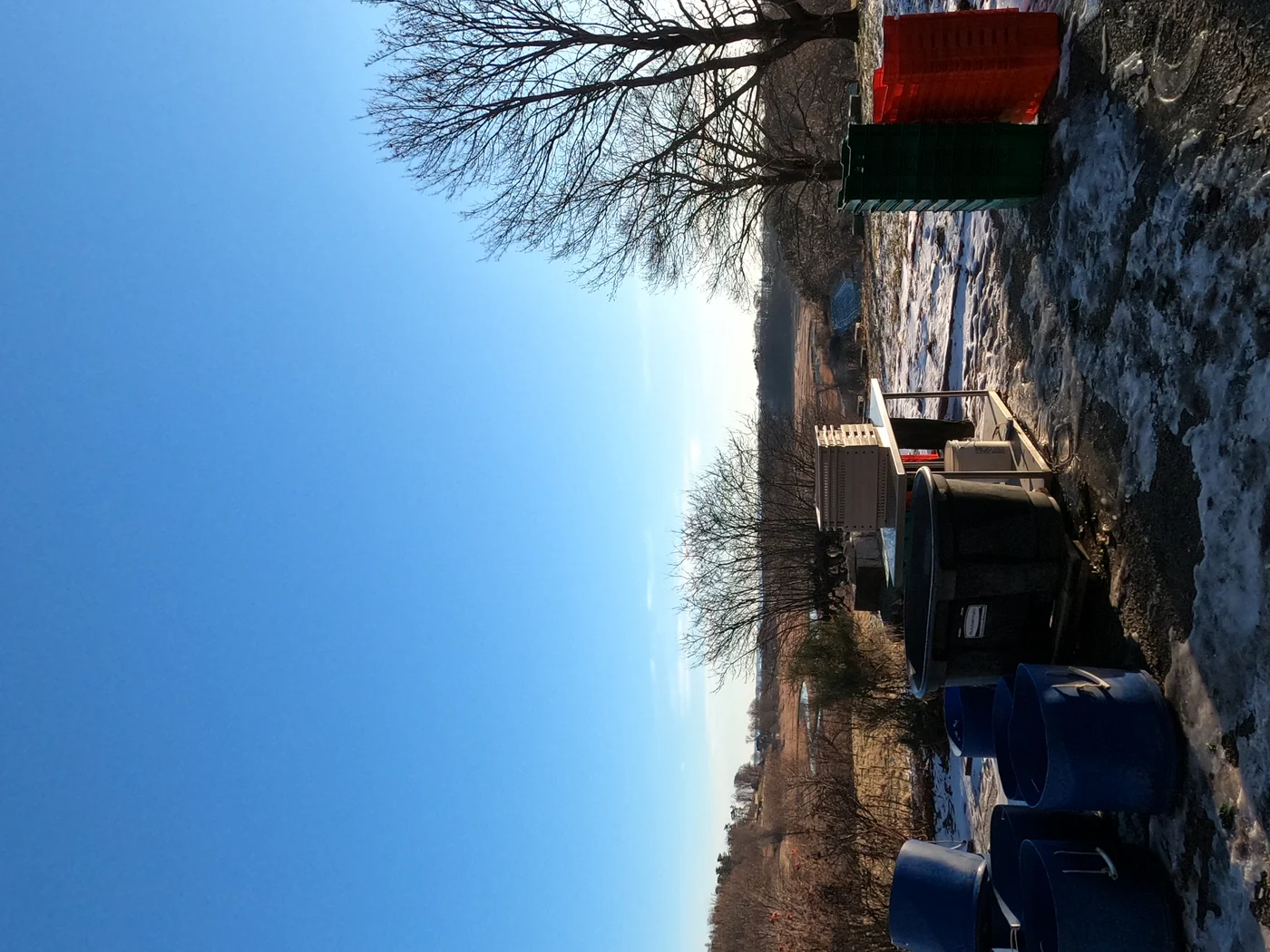
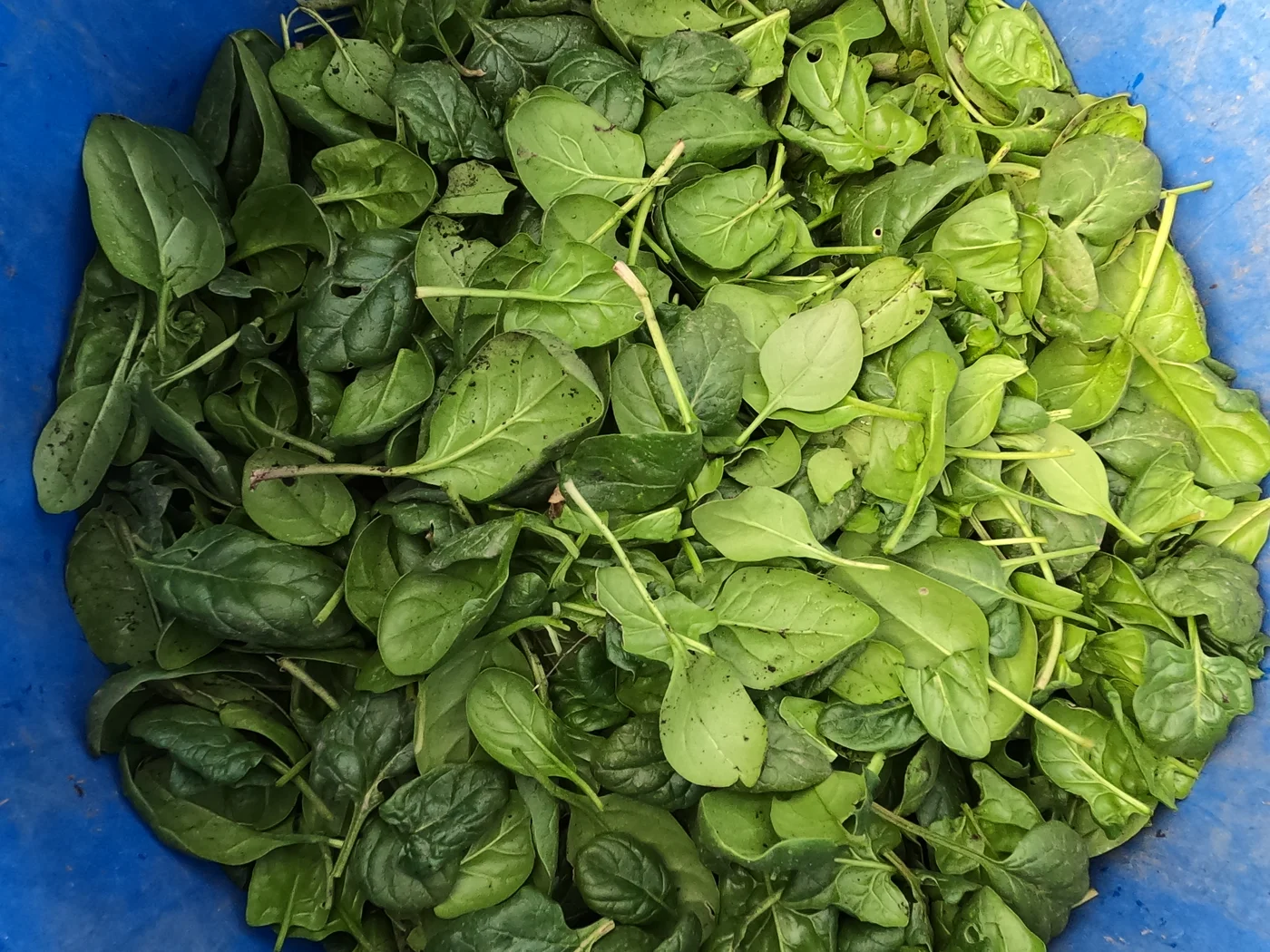
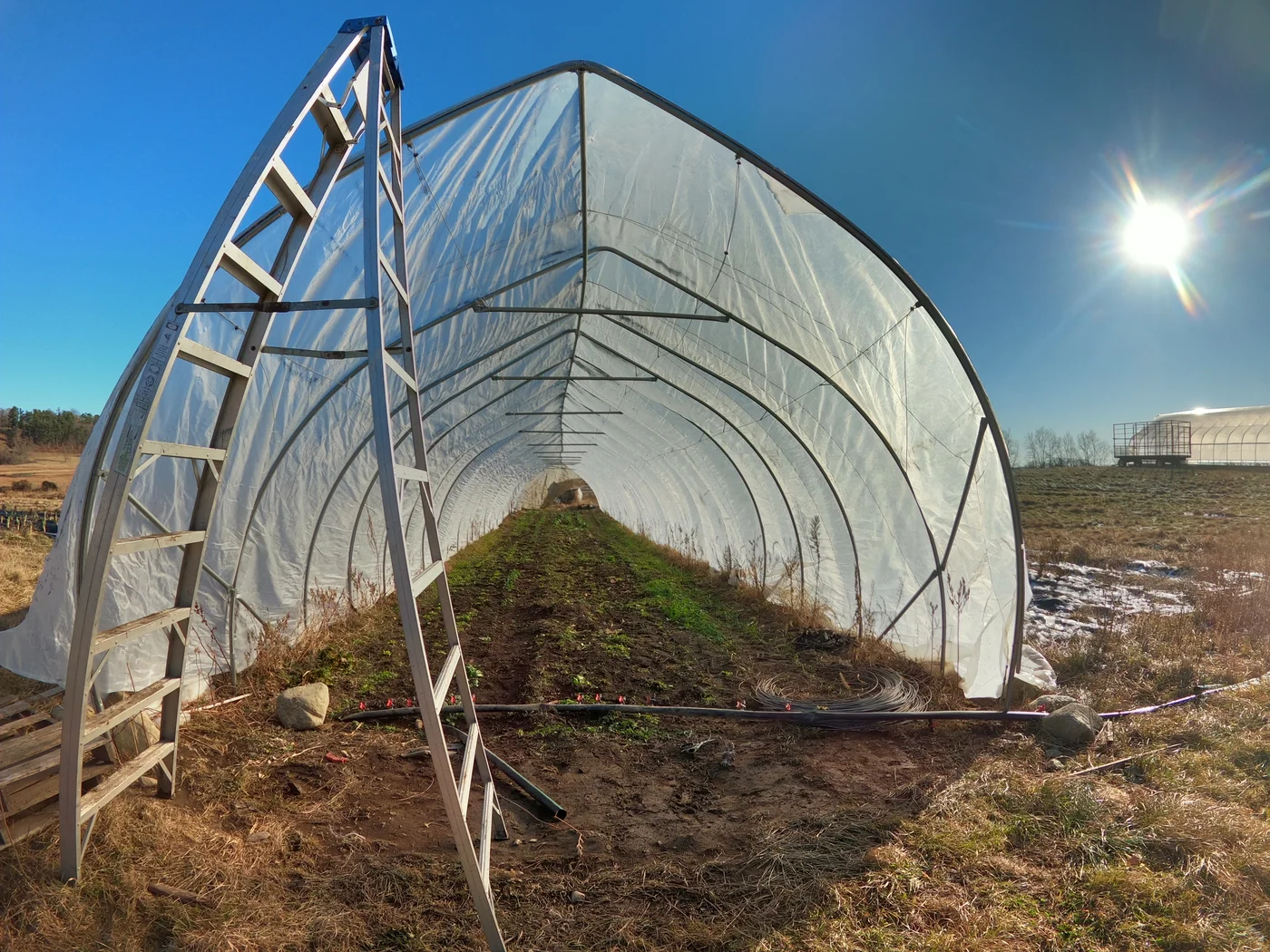
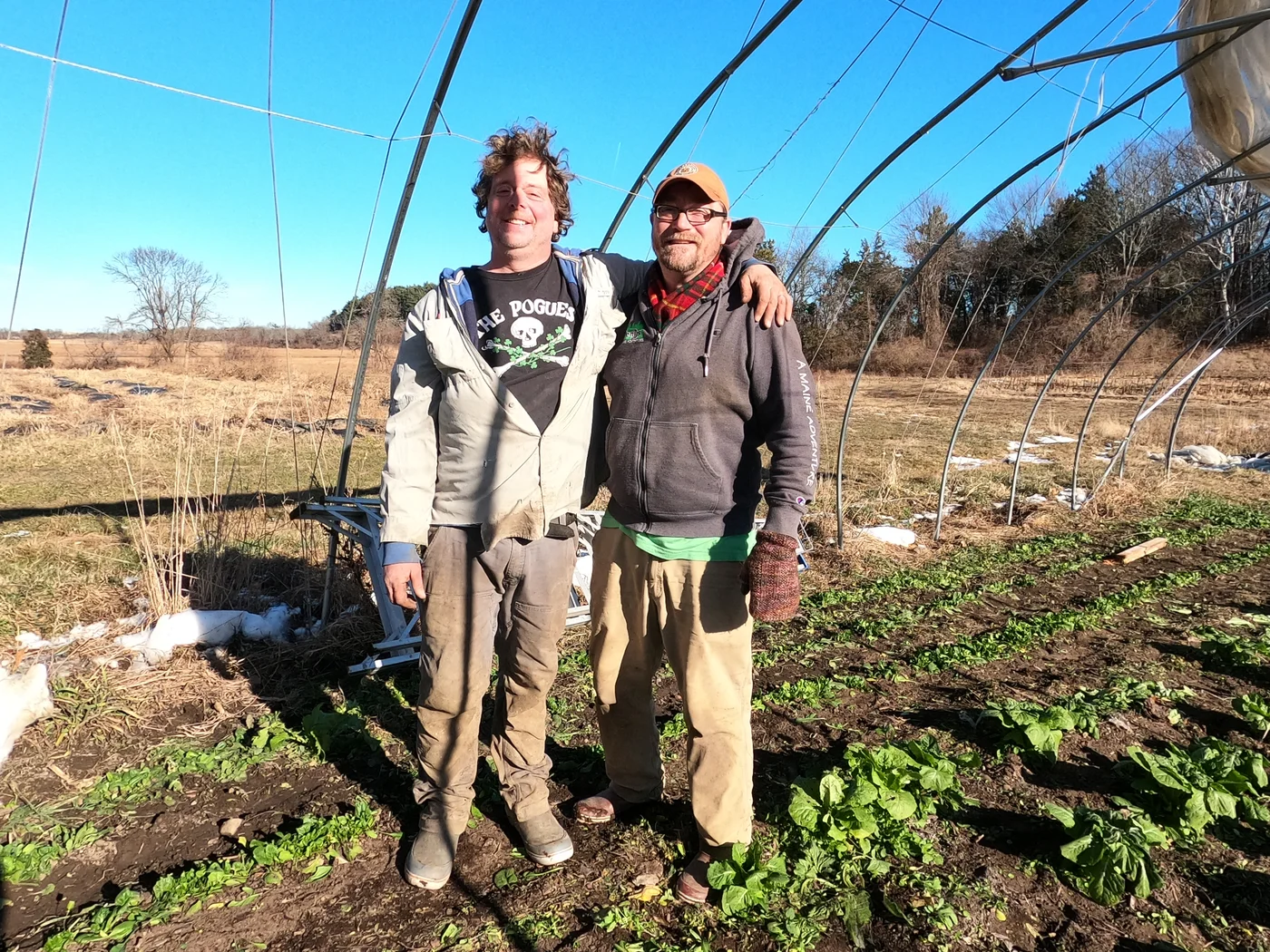
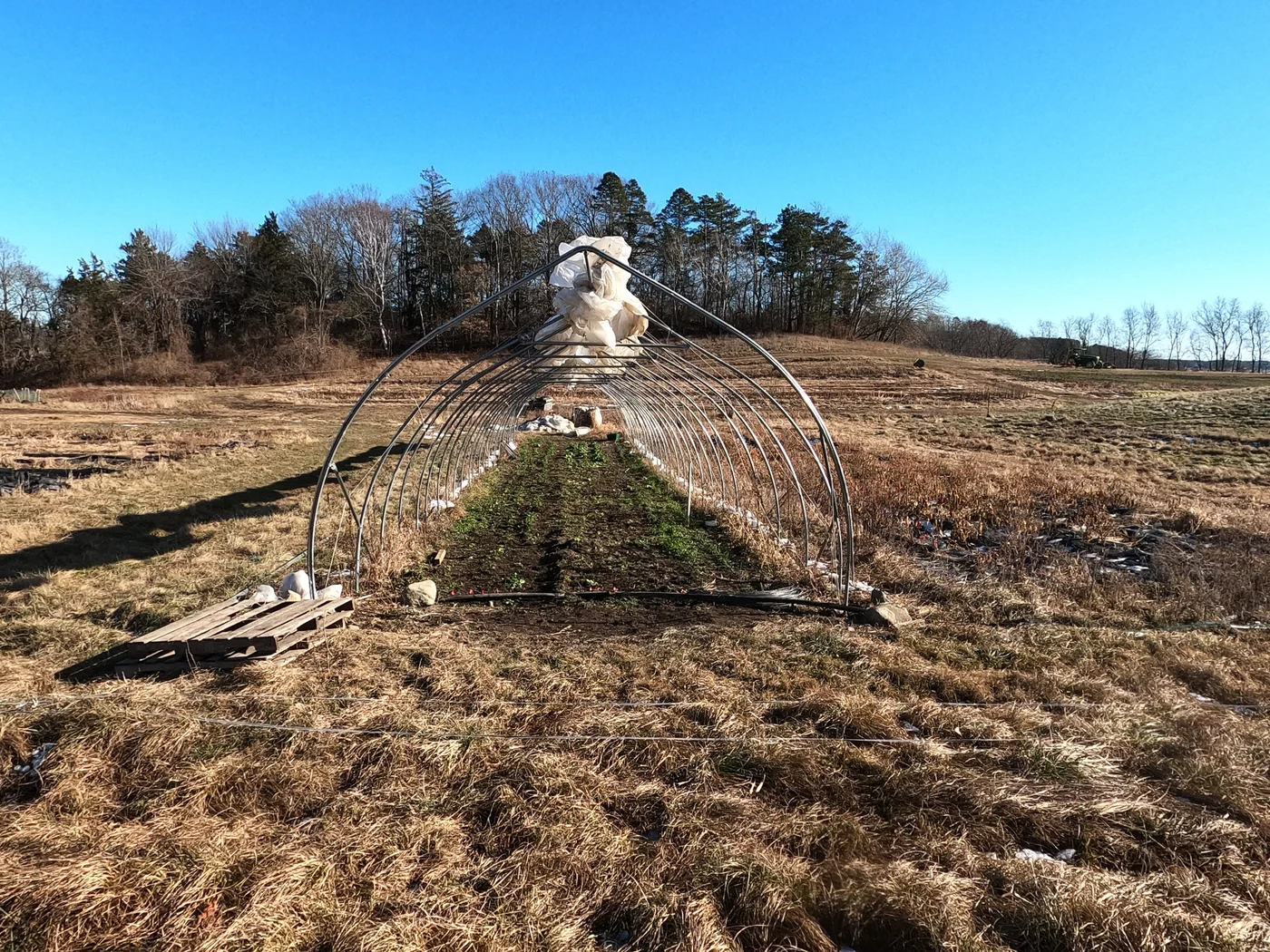
I harvested the last crop of spinach, then we put up the sides on the high tunnel in preparation for high winds this weekend. We also fed the bee hives fondant, my first need to don a bee suit, and I finished early after lunch with the crew.
A Lot was Learned
I learned an awful lot this year about farming. I was a boy raised in a garden and became an avid backyard (roof deck, really) gardener over the past fifteen years, but none of that really prepared me for how hard farming at scale is on the body and wallet. I don’t know as if I’ll ever be a farm operator myself, but I earned the respect of the crew and I have so much more respect for that life than I ever did as a CSA member of various local farms these many years.
I also learned how terribly difficult it is to live on subsistence wages as one side of a parental duo with only two kids. Car repairs hit our budget hard and I can’t imagine what stuff like this does to others less fortunate than us. Our grocery bill was somewhat reduced this summer since I’ve had the opportunity to bring home daily ‘seconds’ that don’t meet our quality standards for sale to customers and CSA members but are still fantastic and organic nonetheless. Onions with a big nick in them or broken carrots work fine in my kitchen.
But our holiday tree and stockings this year are lighter than they’ve been since 2012, but we have too much stuff for this 1200 square foot second story apartment anyway. We continue to support our young African constituents, Clemmy and Gabriel, as we have since they were both learning to walk. Money is tight, but not so tight that we can’t do at least that for them.
Minimum Viable Personal Equipment
When I started in April, I had no idea how to be prepared for most weather conditions we experience in New England, particularly while still having to get a job out in the fields done. When it’s cold but not wet, when it’s wet and cold, when it’s hot and humid, when it’s sunny and dry…all of these things need different footwear and clothing.
Fresh changes and extras of socks, bandanas, gloves, jackets, and pants are now a part of my daily routine to have in my car during the season. A toiletries kit with personal insect repellant, a nail brush, lotion, orange grime scrub soap are nice but most important is my own first aid supplies. Durable band aids, latex gloves, disinfectant, antiseptic ointment, cotton pads, gauze, and surgical tape are necessary items.
A foldable, lockable field knife in my left pocket is a life saver for all sorts of tasks, and Jamie asks for it on a regular basis as we work together too. From stubborn feed bags to tangled twine to polycarbonate sheets to irrigation tubing to auto-mechanical equipment, it’s a tool that’s always handy. But it has to be cleaned and sanitized frequently, particularly if it is used for anything that comes into contact with crops.
In my right pocket is my GoPro Hero 8 and an extra battery. For everything said and not said, this little powerhouse of capture served me better than any foldable or common-place mobile phone did despite the convenience of eating of a data plan over cellular. Every evening, I take the micro SD card out and load new contents into my laptop, then into Immich, then some homegrown processes automatically pull them into the blog post draft, tag them with the appropriate keywords, and convert videos that I chop together. All in all, the process takes less than an hour, including the writing of the post itself, unless I get carried away with the editing.
A Lot was Unlearned
The biggest thing that changed in my mind was that of how much control small farms had over their operations and offerings. Between regulations, high input costs, small margins, market competition, seasonal conditions affecting crops, and labor challenges, the choices left that a farmer can make are very limited, all things considered. Anything that looks like unknown territory is generally declined…‘risk averse’ would be the corporate term.
Before working on the farm, I assumed that farms could become profitable if only they focused on the right cap-ex and op-ex spend to get to the right revenue streams. But seriously, the economics are terrible, partially due to a food system that doesn’t value nutritious and truly organic food, but more so because of a lack of municipal and federal support for small-scale farmers. The difference in that ‘organic’ pear from your supermarket and one from the small farm down the street isn’t just something you taste, it’s something you invest in, namely local labor and community.
I ‘unlearned’ the dynamics of what goes in to real-time decision making. I even worked up a ‘prioritization matrix’ as a way to further understand how and why timing is so important in farming. But the re-learning took daily practice and reflection. Every day on the drive to the farm, I would think through what I knew must and also might need to happen, then watch many of my predictions not come true when asking Jamie what he wanted us to do that day. Over time, I got better at predicting what would happen, but most of the misses were due to the unpredictable nature of context and information that I just don’t have as a farmhand versus that which the primary farm operator has.
Farmer’s Don’t Get To Opt Out
A farmer’s life involves so many activities that others would find overwhelming. Slipping around in pig shit, lifting hundred pound field materials, being drenched in summer sweat, greasy hands and dirt under the nails that scrubbing never quite gets off, setting and cleaning rodent traps, safety around cleaning chemicals and sharp implements, freezing appendages in the early spring and late fall, crawling around in chicken coops every day, mud caked on your boots and hands, clawing through assorted frozen animal meat cuts until you can’t feel your fingers…
Farmers don’t get to ‘opt out’ of messy, painful things that have to happen because no one else will do them. They’re a smart, dedicated, and hardworking people. Feeding people isn’t simply about what’s on the plate, it’s about what it takes to get it there. And organic farming is so much harder than simply buying more plastic or chemicals to make the work easier. When your crops depend on pollinators, you get a bee suit on and you take care of those little warriors.
Though many small farms depend on ‘alternative income’ such as a spouse’s career goings, dedicated farmers don’t have much choice but to do the work they know and love. ‘Conviction’ is a word that carries too many religious overtones in this country, but it’s what comes to mind when thinking of all the harder tasks that Jamie didn’t ask me to do but rather did himself before I could get involved.
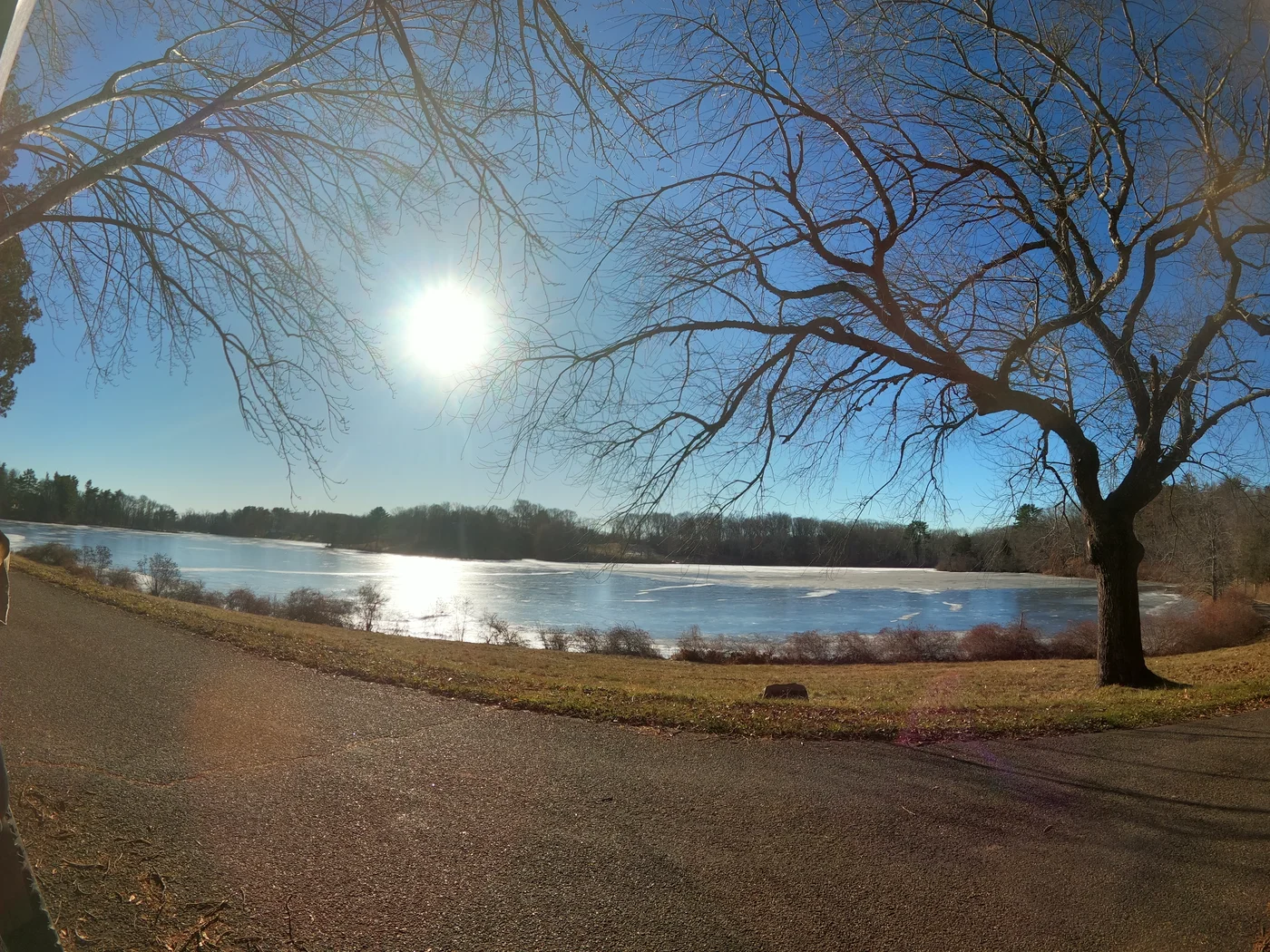
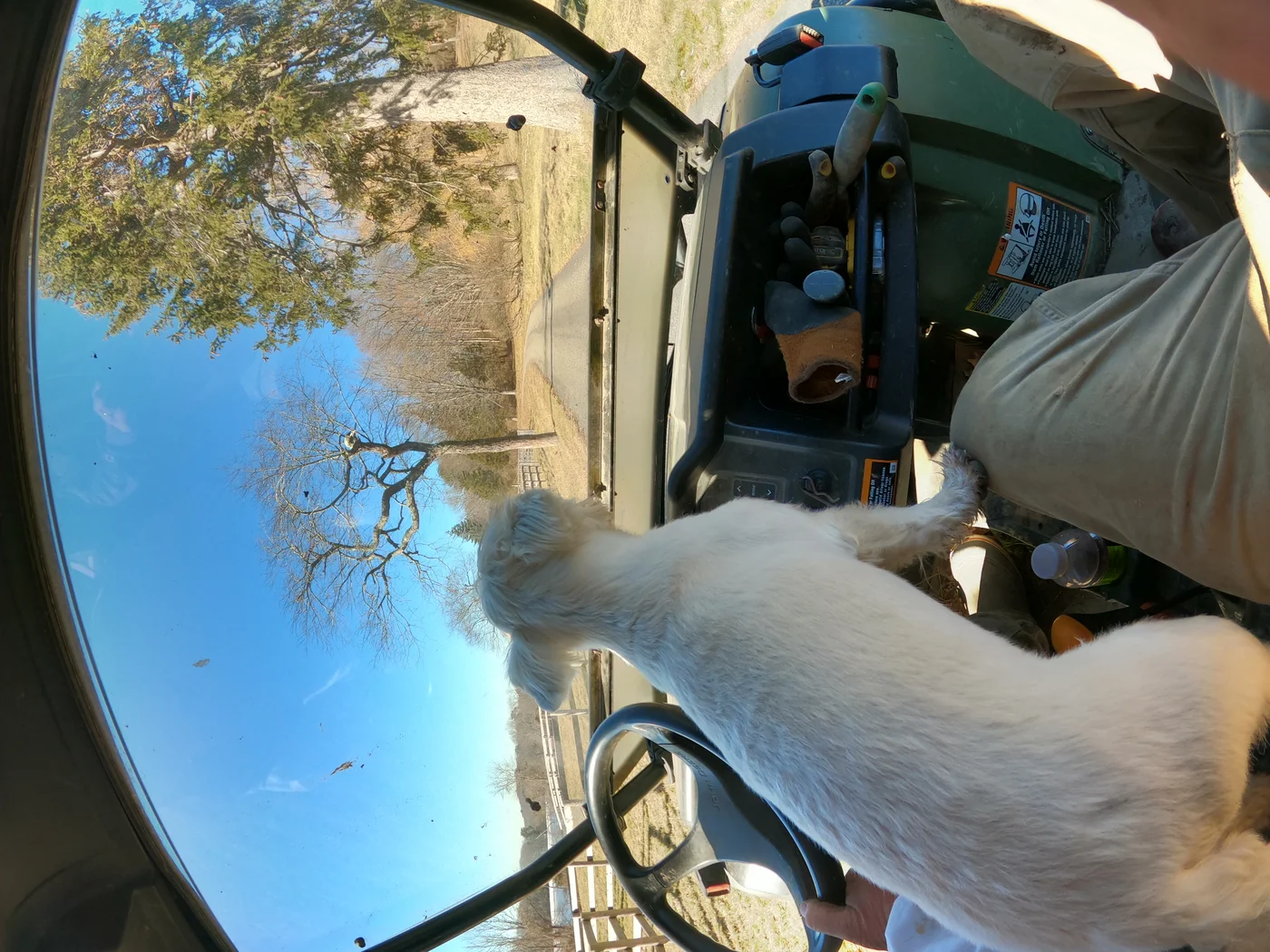
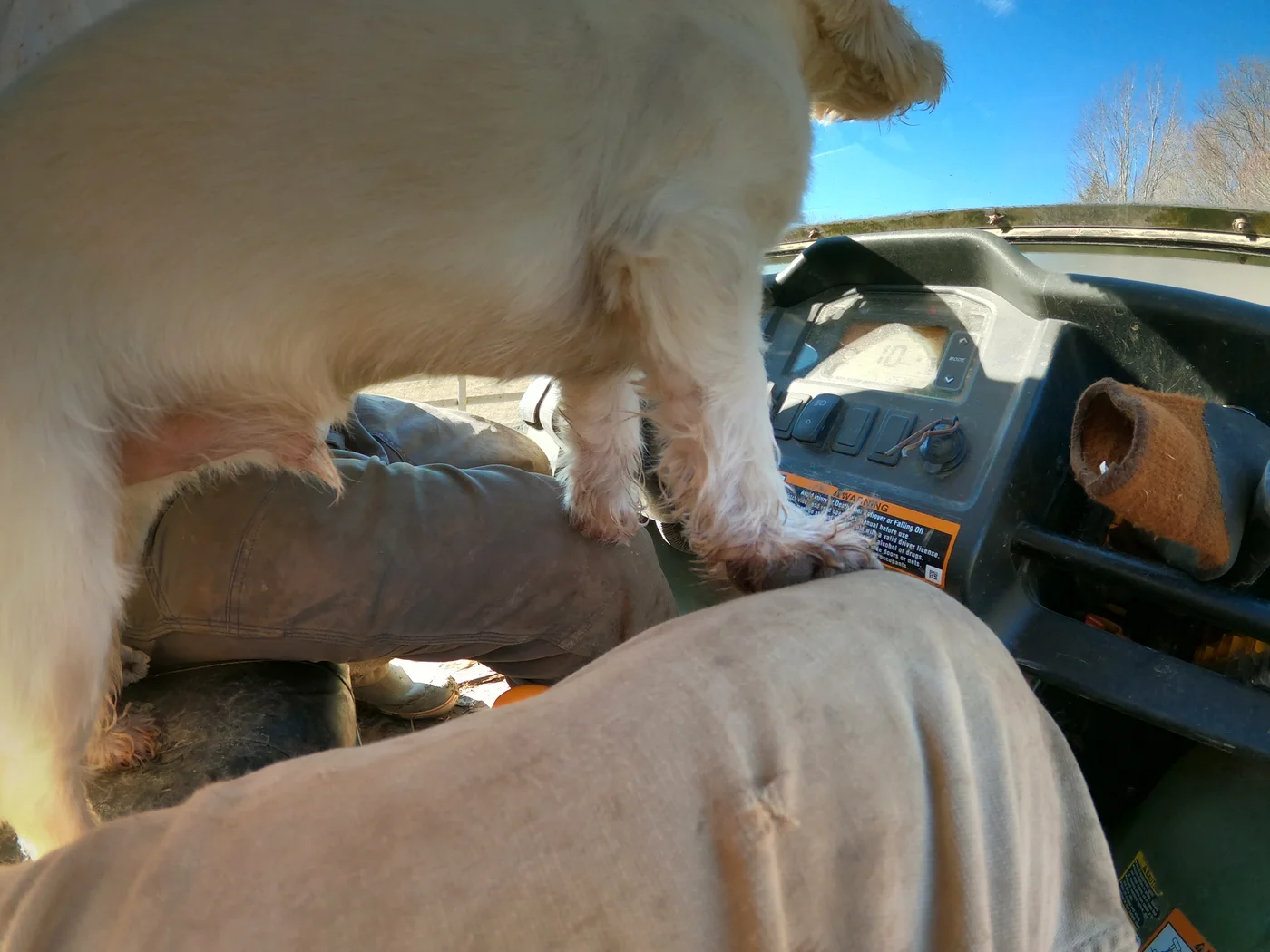
When faced with a future of this kind of work, these people and their devoted furry animals, the unique impact on the local community and other like-minded small business operators, I would (and will again) sign up for another year of financial purgatory and personal growth. The perks include eggs, produce, friendships, physical health, psychological safety, community appreciation, learning, and the occasional opportunity to give a dog his peanut butter at lunch time. The pond is calling us all, even if most of us aren’t listening.
A Dialog (and Dialogue) That Has No Default Option
I recently came across something I haven’t seen in years while using my video editing software…a modal dialog box in an app that omitted a default option. This could mean two things: 1) that the developer and test engineer involved didn’t think about what the default was in the scenario, or more likely 2) that no one bothered to provide feedback that there should be a preferred operation. It’s unlikely that in either case a mindful product manager was involved, in large part due to the recent AI motions which seemed to erase all the meaningful organic thought process required to respond to customer needs.
But maybe not having a default option for a dialog is a good thing? It makes certain people stop to consider the safety and meaning of the options at hand. In verbal communications, ‘dialogue’ refers to a directed and intentional exchange between two or more people. Maybe in this kind, there’s also an opportunity to not have a default, in other words, going into discussions as little bias as possible so that the exchange might lead to novel or unexpected learnings.
For this part of my journey, there are no default options. My future is limited and each day takes intentional decisions on my part. This is why I’m driving down the logistics of running my own business next year, why high tech work can’t be my default anymore, and why I’ll likely be helping out on the farm next year again.
AI Summary from Field Notes
If I had to anthropomorphise this AI-assisted process I wrote this year to drive the blog summaries, like with a farm dog, I would say that it was mostly a good boy with exception here and there. There was that time, like a farm dog chasing escaped chickens, where Deepseek chose to reason in Chinese, devolving into mathematical proofs. And there was were occasional…output…issues, similar to when a dog relieves themselves when they’re not outside, but in the LLM’s case this was invalid JSON when clearly prompted with a template how and where to generate it. But nothing has been as funny as the occasional misunderstandings or word faux-pas littered amongst the summaries at the bottom of each of the 126 blog posts I wrote, included pictures and video, and used various AI technologies to assist the process.
It’s been fun, folks, and I’m not done yet. Over the winter, I’ll be going back over these posts, reorganizing certain sections of the site, and writing new ones based on content I didn’t get to use during the day-to-day. As a last summary, this one seems to get everything pretty correct.
Summary
Final Consolidated Summary
Main Themes
- End of Season: The intern’s final day on the farm before the 2025 season.
- Crop Management: Harvesting spinach, disassembling the high tunnel, and preparing for winter.
- Beekeeping: Monitoring beehives, applying fondant, and exploring garage-based hive protection.
- Infrastructure Maintenance: Setting up the greenhouse and addressing water drainage near the pigs.
Key Activities
- Harvested and washed spinach.
- Disassembled the high tunnel and moved materials.
- Visited beehives and applied fondant.
- Set up the greenhouse for future use.
- Attempted a trench project for water drainage but faced scheduling delays.
New Observations/Tools
- Bee Fondant: Used to support hive health.
- Bee Suit: Intern’s first experience wearing protective gear for bees.
- Garage Hive Experiment: Testing if a garage can serve as a hive shelter.
- Temperature Monitoring: Potential use of devices like a switch bot for hive conditions.
Key Questions
- How effective is the garage setup for beehives?
- What wind mitigation strategies can protect beehives and high tunnels?
- Can consumer devices improve hive and greenhouse monitoring?
- What are the long-term benefits of the trench project for water drainage?
- How to better coordinate schedules to avoid task delays?
Suggested Actions
- Implement Temperature Monitoring: Use a switch bot or similar device to track hive and greenhouse conditions.
- Refine Beehive Protection: Explore insulation or windbreaks for the garage setup.
- Plan Trench Project: Schedule the trench for the next season to address water drainage.
- Document Experiments: Record data from the garage hive trial for future evaluation.
- Improve Communication: Establish clearer schedules to ensure timely task completion.
This summary integrates all key points from the original summary, streamlining themes, activities, and recommendations for clarity and conciseness.
Part 1
Main Themes
- End of the Season: The intern’s last day on the farm before the 2025 season begins.
- Harvesting and Crop Management: Final spinach harvest and disassembly of the high tunnel.
- Beekeeping: Visiting beehives, using fondant for bees, and observing active hive behavior.
- Winter Preparation: Protecting beehives in a garage, addressing wind-related challenges, and preparing greenhouses for harsh weather.
- Collaborative Work: Coordination with other farm workers and the impact of scheduling conflicts.
Activities Performed by the Intern
- Harvested the last spinach crop in the high tunnel.
- Disassembled the high tunnel (removing wiggle wire, fabric staples, row cover, and hoops).
- Transported disassembled materials to the covered area near the compost.
- Washed and stored spinach in a bin.
- Visited beehives, donned a bee suit, and applied fondant to hives.
- Assisted in setting up greenhouse plastic sides and tying them to the ridge pole.
- Documented the bee experiment (temperature monitoring in the garage).
New Things Not Yet Encountered
- Bee Fondant: A sugar-based substance specifically for bees, used to supplement their food supply.
- Bee Suit: Protective gear worn to avoid stings during hive inspections.
- Beehive Garage Experiment: Jamie’s project to protect beehives from cold and wind by storing them in a garage.
- Temperature Monitoring: The idea of using consumer-grade devices (e.g., switch bot) to track hive and environmental temperatures.
Questions and Future Research Ideas
- Beehive Protection: How effective is the garage setup for maintaining hive temperatures during winter?
- Wind Impact: What strategies can be used to mitigate wind damage to beehives and high tunnels?
- Temperature Monitoring: Can consumer devices like the switch bot improve data collection for hive conditions?
- Trench Project: What are the long-term benefits of the planned trench for water drainage near the pigs?
- Seasonal Planning: How can the farm better coordinate schedules to ensure all tasks (e.g., trench digging, greenhouse maintenance) are completed on time?
Suggested Actions
- Implement Temperature Monitoring: Use a switch bot or similar device to track hive and greenhouse temperatures for data-driven adjustments.
- Refine Beehive Protection: Explore alternative methods (e.g., insulation, windbreaks) to enhance the garage setup for beehives.
- Plan for Future Tasks: Schedule the trench project for the next season to address water drainage concerns.
- Document Experiments: Record observations from Jamie’s bee experiment to evaluate the feasibility of garage-based hive protection.
- Improve Communication: Establish clearer schedules with farm workers to avoid delays in critical tasks.
[end of post]
Enjoy Reading This Article?
Here are some more articles you might like to read next: