TL;DR
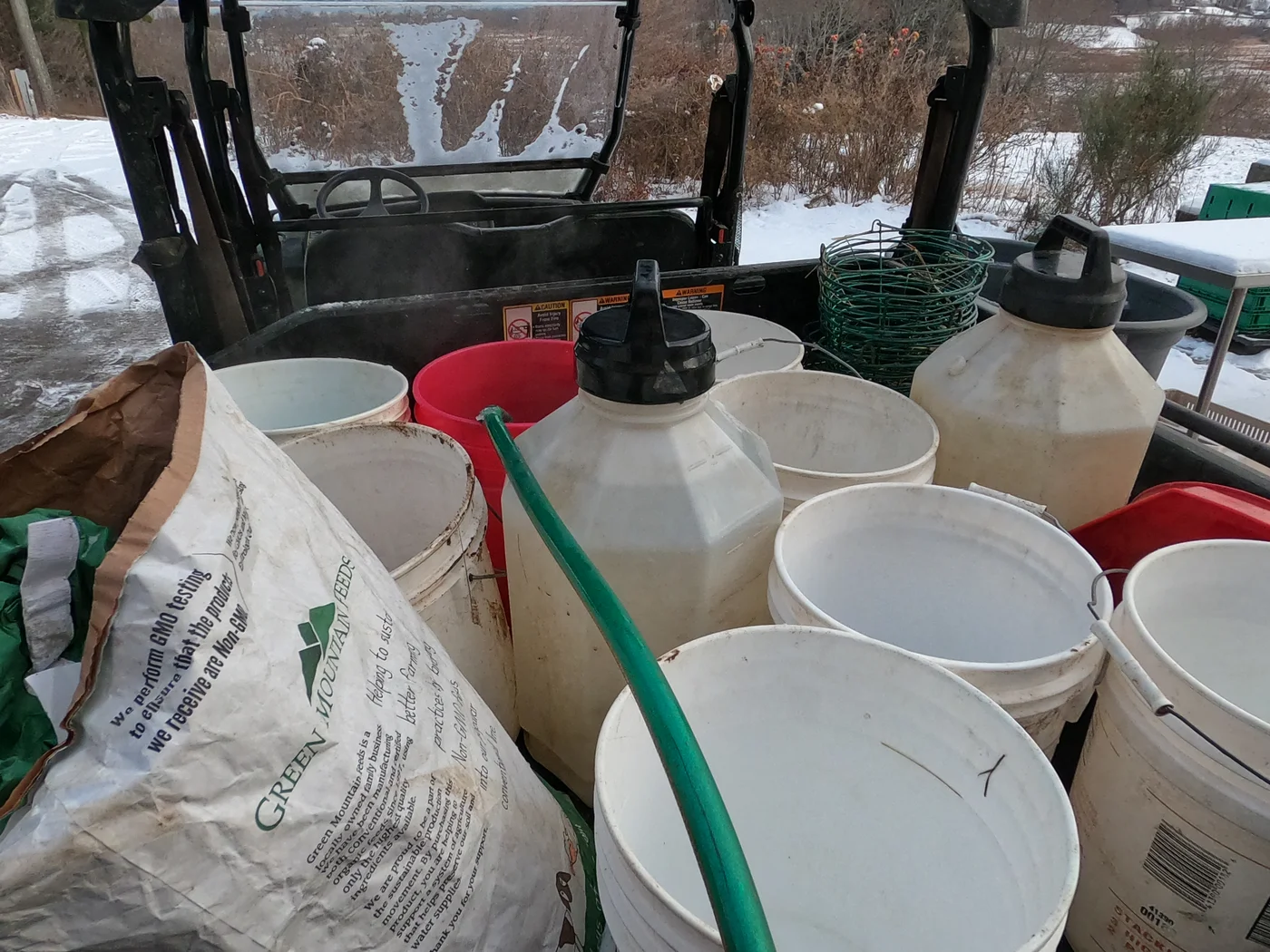
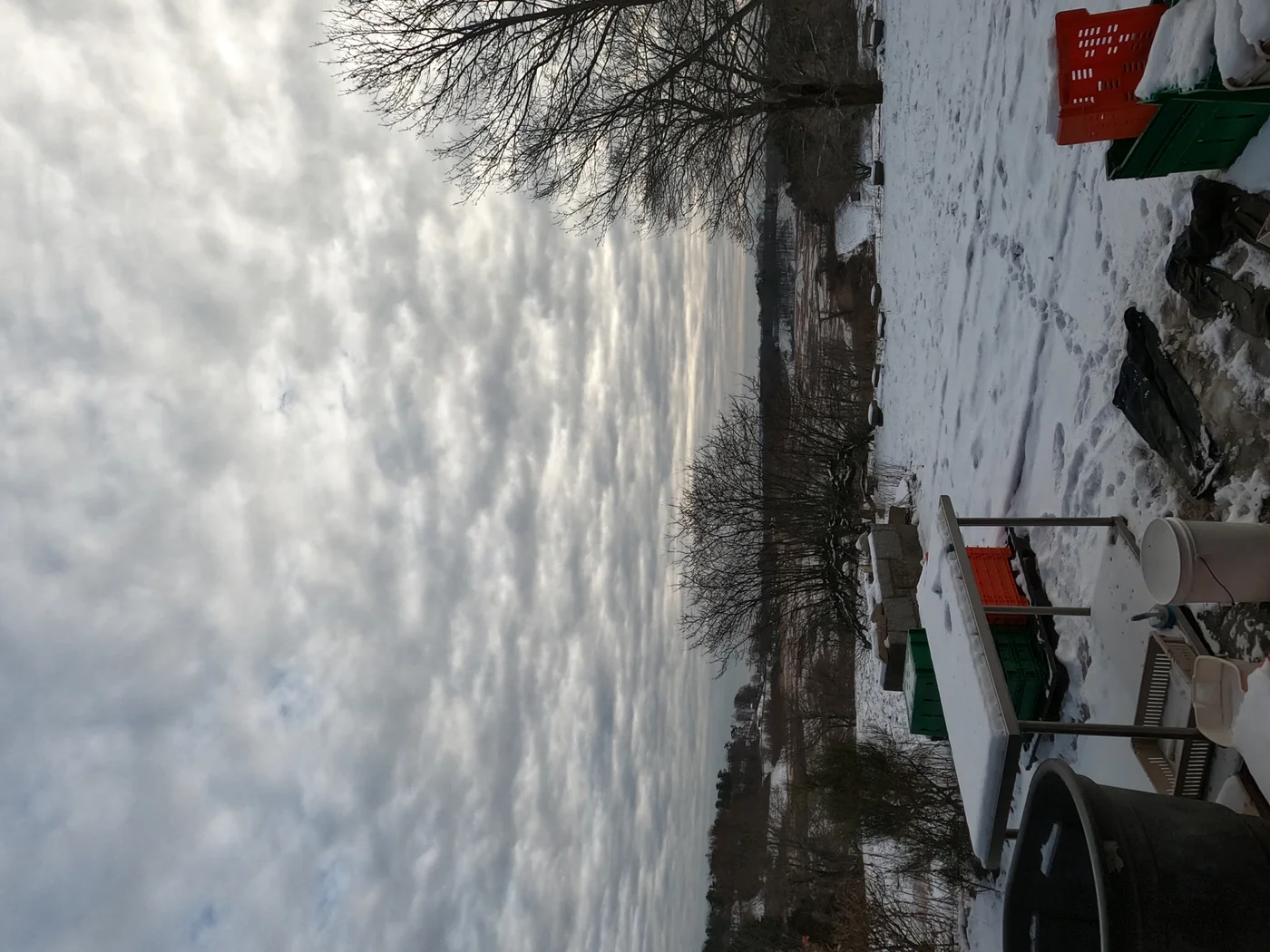
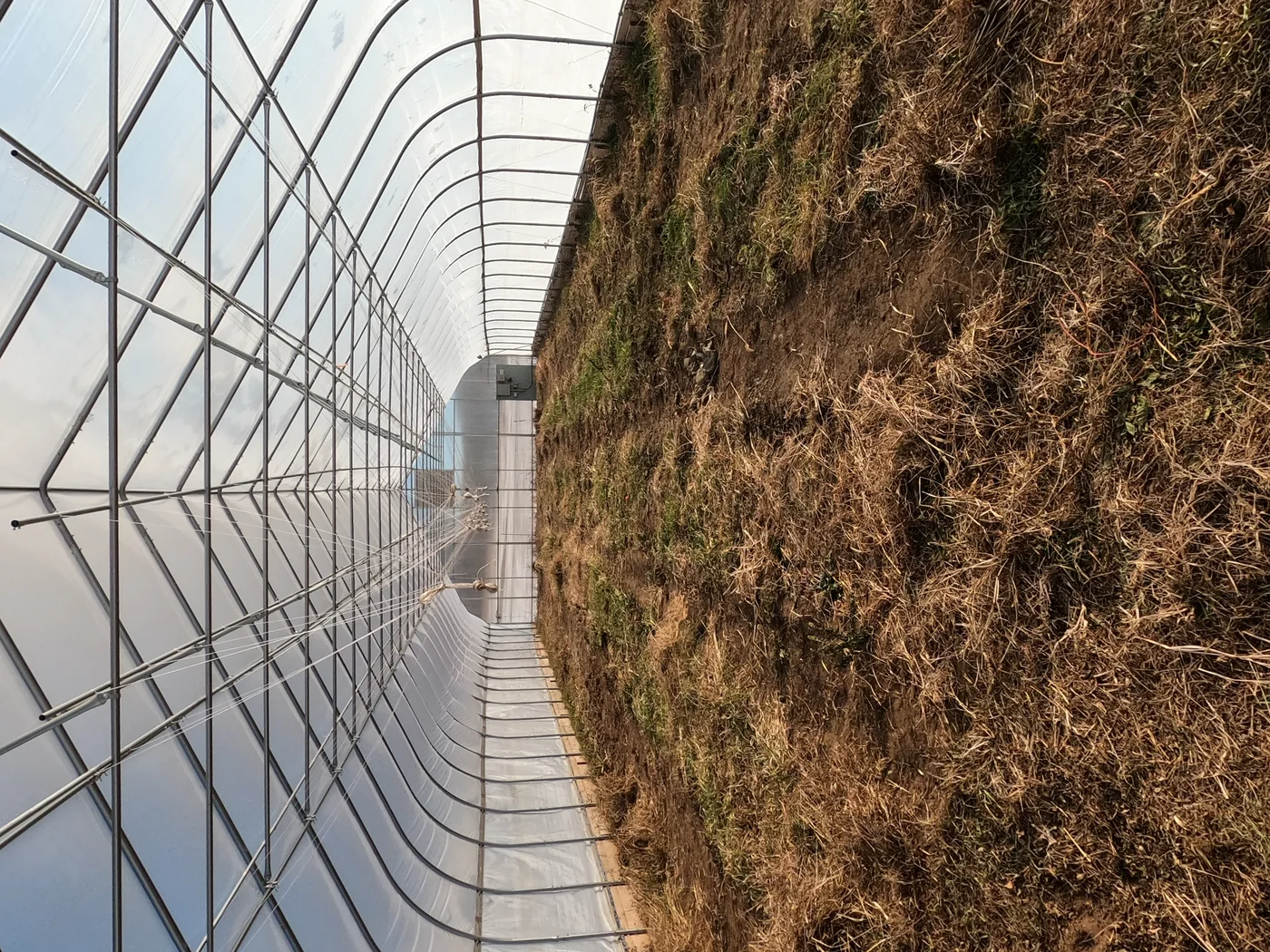
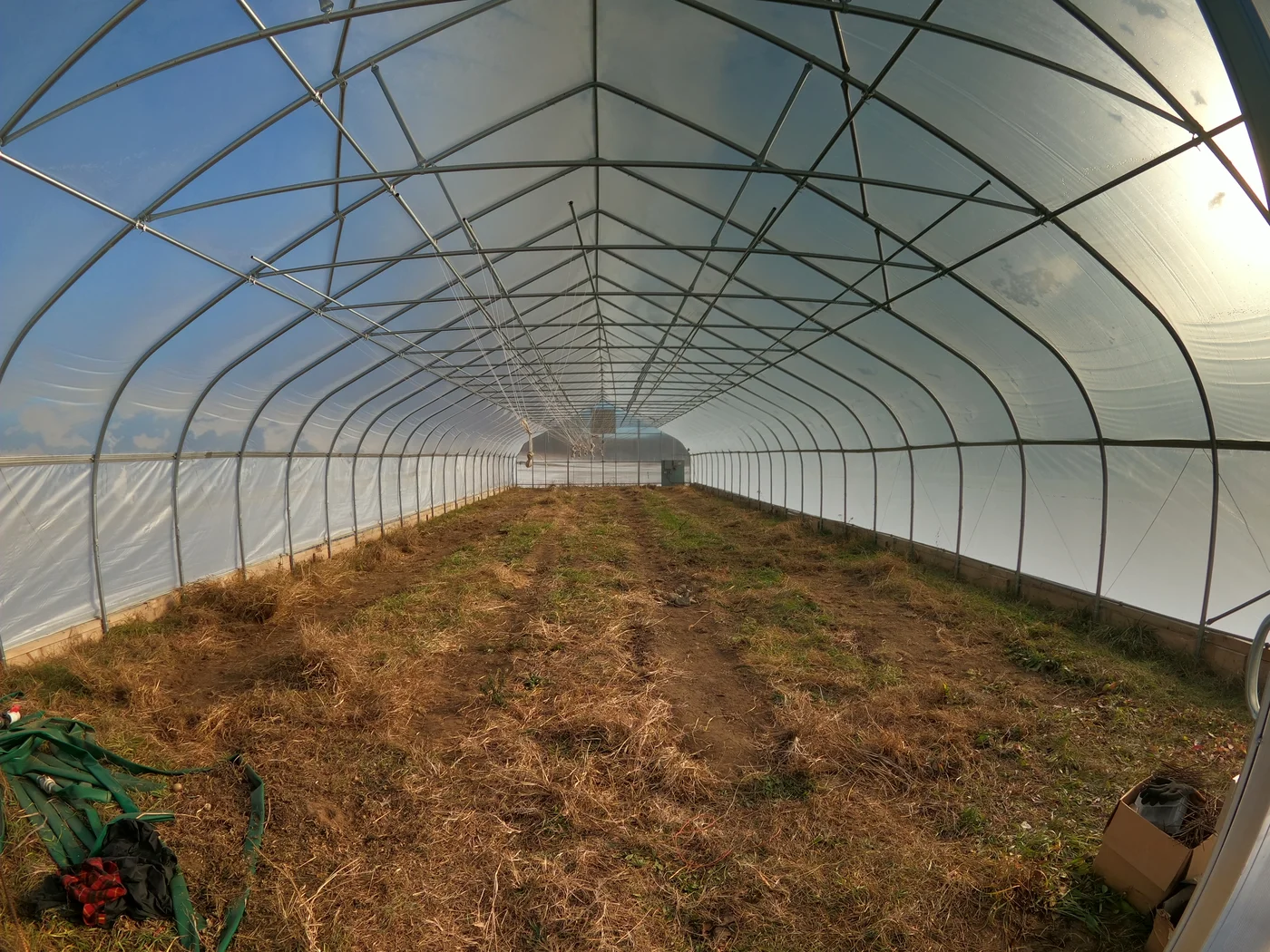
We did animal chores, harvested and washed the last of the lettuce, then cleaned up the new greenhouse. Next week is a holiday week and I will be off until March.
The Cold Is Worse on the Tail Ends
As we were harvesting the last of the high tunnel lettuce for the year, I notice that the romaine variety planted towards the end of the high tunnel was mostly frozen through and thus not viable to harvest. This is most likely due to cold winds that find their way under the high tunnel ends made of thick sail-like cloth that doesn’t quite reach the ground. It’s less likely due to the difference in variety of lettuce, the other in the middle of the tunnel being a red broad leafy kind, some of which also got affected by the nightly freezing temperatures as of late.
It would be an interesting experiment next year to plant rows of different varieties length-wise down the bed so that we can see how much of a difference the variety makes. And since for the most part we harvest a patch of lettuce no matter what mix of varieties are planted there, there’d be no problems if things are harvested together at the same time. There is a row or two of spinach like this in there now, but it didn’t show many signs of damage in different areas along the length of the greenhouse.
In a normal distribution (i.e. a Bell curve), there are tail ends on both sides, often what people refer to as “outliers” or “fringe”. It’s cold, being on the fringes of this economy, with labor markets almost completely frozen. The kinds of work I’ve done in the past, you’d think it would matter to someone, but people are so busy looking useful and trying to pad margins that taking any time to really see anyone is near impossible.
Preparing for Next Year
In the new tomato greenhouse this week, we took up the walking rows of landscaping fabric and irrigation lines, carefully collected the fabric staples, consolidated and moved out the bigger rocks, and will likely snip all of the trellis twine so carefully and time-consumingly put up in May. It has to be done so that next year’s work starts with a clean slate.
Similarly, next week I’ll again start putting in job applications for roles that make sense. I stopped doing so after the last round of interviews in May, largely because it seemed fruitless but also because I started on the farm and didn’t have the patience to work both career avenues at the same time. I wanted my attention to be fully devoted to the farm work for the season, not divided and perforated by interview calls all season.
Unfortunately, the labor market is in a freeze that won’t likely change after the New Year, but I still have to do the most I can do even if it feels useless. I will plug away at my alternate business plan, I will work on various parts of my homelab and prototypes, and I will look into any tech contracting I can scrounge up. But I don’t wait for apologies and I know to trust my instincts as to what will happen in tech hiring this next quarter.
AI Summary from Field Notes
The automatic summary didn’t get anything too wrong today…ever since I rebooted my homelab, thus prompting a re-download of the Qwen v3 model I use, the version may have changed and improved a bit. For now, it stands:
Summary
Consolidated Summary
Main Themes
- Seasonal Farm Work: Cold-weather farming activities, including greenhouse maintenance and leafy green harvesting.
- End-of-Season Transition: Preparing for the farm’s reduced work period and planning for the next growing season.
- Greenhouse and Protective Structures: Use of row covers, hoop houses, and landscaping fabric to manage cold weather.
- Harvesting and Processing: Washing and sorting leafy greens, discarding damaged produce.
- Farm Planning: Collaborating with Jamie on long-term strategies after mid-January.
Activities
- Assisted with water, chicken, and pig chores.
- Removed and folded landscaping fabric in the new greenhouse.
- Washed and sorted tatsoi (a type of leafy green) harvested the previous week.
- Assessed lettuce and spinach in the high tunnel, discarding frozen or damaged portions.
- Documented end-of-season tasks and planned for future activities.
New Things Encountered
- New Greenhouse: First-hand experience with a newly constructed greenhouse.
- Landscaping Fabric Management: Process of removing, folding, and cleaning fabric for the first time.
- Row Covers and Hoop Houses: Understanding their role in protecting crops during extreme cold.
- Leafy Greens: Working with specific varieties like red head lettuce, romaine, and spinach.
Questions for Future Research
- How effective are row covers and hoop houses in extreme cold (e.g., teens-degree nights)?
- What methods can prevent freezing damage in leafy greens during cold weather?
- How to optimize remaining crop yield and transition the farm to a low-work period?
- How to collaborate with Jamie on long-term farm planning after mid-January?
Suggestions for Action
- Monitor Greenhouse Conditions: Ensure the new greenhouse is maintained for future crops.
- Document Crop Resilience: Track how protective structures affect crop survival in cold weather.
- Plan Crop Rotation: Develop a crop rotation strategy with Jamie for the next growing season.
- Prepare for Reduced Work: Organize tasks for the intern’s transition period, including egg purchases and consultations.
Part 1
Main Themes
- Seasonal Farm Work: Activities related to cold-weather farming, including greenhouse maintenance and harvesting leafy greens.
- End-of-Season Preparations: Transitioning from active farming to a period of reduced work, with plans for future farm planning.
- Greenhouse and Protective Structures: Use of row covers, hoop houses, and landscaping fabric to manage cold weather.
- Harvesting and Processing: Washing and sorting leafy greens, discarding damaged produce.
- Farm Planning: The intern’s role in transitioning out of the season and future planning for the next year.
Activities Performed by the Intern
- Assisted with water, chicken, and pig chores.
- Removed and folded landscaping fabric in the new greenhouse.
- Washed and sorted tatsoi (a type of leafy green) harvested the previous week.
- Assessed lettuce and spinach in the high tunnel, discarding frozen or damaged portions.
- Documented the end of the season’s farming work and planned for future activities.
New Things Not Yet Encountered
- New Greenhouse: The intern worked in a newly constructed greenhouse, which is a novel environment for them.
- Landscaping Fabric Management: The process of removing, folding, and cleaning landscaping fabric for the first time.
- Row Cover and Hoop House Use: Understanding the role of row covers and hoop houses in protecting leafy greens during extreme cold.
- Specific Leafy Greens: Working with types of lettuce (e.g., red head lettuce, romaine) and spinach, which may be unfamiliar to the intern.
Questions and Future Research Areas
- Effectiveness of Protective Structures: How do row covers and hoop houses perform in extreme cold (e.g., teens-degree nights)?
- Preservation of Leafy Greens: What methods can prevent freezing damage in leafy greens during cold weather?
- End-of-Season Planning: How to optimize the remaining crop yield and transition the farm to a low-work period.
- Farm Planning for Next Year: How to collaborate with Jamie on long-term farm planning after mid-January.
Suggestions for Action
- Monitor Greenhouse Conditions: Ensure the new greenhouse is properly maintained to support future crops.
- Document Crop Resilience: Record data on how row covers and hoop houses affect crop survival in cold weather.
- Plan for Crop Rotation: Work with Jamie to develop a crop rotation plan for the next growing season.
- Prepare for Reduced Work: Organize tasks for the intern’s transition period, including visits to the farm for egg purchases and consulting.
[end of post]
Enjoy Reading This Article?
Here are some more articles you might like to read next: